Wabi-Sabi Interiors: Finding Beauty in Imperfection
Raw plaster, aged wood, handmade ceramics and a quiet palette — a practical guide to the Japanese philosophy that shaped modern minimalism.
Key takeaways
- Value materials that age: wood, linen, clay, stone.
- Choose matte, textured surfaces over gloss.
- Display fewer objects, each with space around it.
- Wabi-sabi is rawer and more rustic than Japandi.
Wabi-sabi is a Japanese way of seeing that values the imperfect, the impermanent and the incomplete. In interiors, it translates into rooms that feel lived-in, tactile and deeply calm: walls with the soft movement of hand-applied plaster, timber that shows its age, ceramics with glaze that ran in the kiln. It is less a set of products than a set of choices, and this guide turns those choices into practical decisions about surfaces, furniture, light and care.
Principles
- Imperfection: uneven plaster, hand-thrown pottery, visible repairs. The trace of the hand is valued over machine precision.
- Natural aging: materials that patinate, such as wood, linen, stone, clay and iron. A wabi-sabi room should look better in ten years, not worse.
- Simplicity: few objects, each with meaning or use. Rooms are uncluttered but never sterile.
- Asymmetry: balance without strict symmetry. A vase placed off-center or a single chair at an angle feels more natural than a mirrored arrangement.
- Muted, earthy color: the palette of soil, bark, stone and dried grasses rather than saturated hues.
- Quiet: matte surfaces, soft light and absorbent textiles reduce visual and acoustic noise.
Palette
A wabi-sabi palette comes directly from raw materials. Think of the colors you would see in a clay pit, a weathered fence or a riverbed. Warm off-whites form the base, with clay, driftwood and stone tones layered on top and a dark charred-wood accent for depth.
#EAE4DA#CFC6B6#A39480#6B6254#34302ABecause many wabi-sabi finishes are pigmented plasters and natural materials, color will vary with light and application. Always view large samples on site in morning and evening light before committing, and expect some variation between batches. If you want to test tonal combinations, try them in our Palette Studio.
Walls and floors
The envelope does most of the work in a wabi-sabi room. Before buying a single piece of furniture, get the walls and floors right: a room with honest plaster and good timber floors needs very little else.
Limewash or clay plaster brings soft movement to walls. Floors in wide oiled planks, honed stone or microcement. Avoid high-gloss anything. Each of these finishes has practical requirements worth understanding before you specify them:
| Finish | Look | Practical notes |
|---|---|---|
| Limewash | Cloudy, chalky, brush-marked | Needs a mineral or suitably primed substrate; breathable; touch-ups blend easily; not for wet splash zones without sealer |
| Clay plaster | Soft, earthy, slightly textured | Regulates humidity; best in dry rooms; applied in 2–3 coats by a skilled plasterer |
| Tadelakt / lime plaster | Smooth, waxy, subtly mottled | Traditionally used in wet rooms; labor-intensive and specialist |
| Wide oiled planks | Visible grain, knots, matte | Boards 180–300 mm (7–12 in) wide; re-oil periodically; engineered boards are more stable with underfloor heating |
| Honed stone | Matte, tactile, natural variation | Seal limestone and travertine; expect patina in high-traffic areas |
| Microcement | Seamless, cloudy, mineral | Applied 2–3 mm thick over a stable base; sealer choice determines stain resistance |
Choose one wall finish and one floor finish for the whole home where possible. Continuity between rooms is part of the calm, and it makes future repairs simpler because the same materials and skills apply everywhere. In rentals or where budgets are tight, a mineral paint with a brushed application gives a convincing limewash effect at lower cost.
Ceilings deserve attention too. Exposed timber beams, even simple planed battens, or a plastered ceiling in the same tone as the walls extend the envelope and make a room feel enclosed and restful.
Furniture
Wabi-sabi furniture should feel as if it has always been there. Buy slowly, mixing new pieces made from honest materials with vintage and inherited ones, so the room builds up layers of age rather than arriving all at once from a single catalog.
Low, simple silhouettes in solid wood with visible grain and joinery; linen-covered seating with a relaxed fit; stools and benches rather than elaborate chairs. Look for:
- Solid timber with character: elm, oak, chestnut or reclaimed wood, where knots, checks and color variation are accepted rather than filled.
- Loose covers in stonewashed linen or cotton-linen blends that can be washed and that look better slightly creased.
- Chunky proportions: tabletops 40–60 mm (1.5–2.5 in) thick, legs that look carved rather than machined.
- Mixed heights: a low daybed, floor cushions or a bench next to standard seating adds informality.
Keep circulation generous so the few pieces you own have room to breathe: the standard 90 cm (36 in) main walkway is a minimum, and a coffee table sits comfortably about 45 cm (18 in) from the sofa.
Objects
Ceramics with irregular glazes, stoneware bowls, a single dried branch, woven baskets. Display fewer things and give each one space. The Japanese tradition of the tokonoma, a single alcove for one seasonal arrangement or scroll, is a useful model: choose one display point per room and change it occasionally rather than filling every surface. Objects with a history, such as a repaired bowl, an old tool or a found stone, belong more than new decorative pieces.
Baskets deserve a special mention because they solve the practical problem of a minimal room: where does everything go? Large woven baskets in seagrass, rattan or willow hold throws, toys and firewood while adding texture. Choose a few in the same material and tone rather than a mixed collection.
Kintsugi, the practice of repairing broken ceramics with lacquer and gold or metal powder, is often cited as the essence of wabi-sabi: the repair is celebrated rather than hidden. You can apply the same idea at room scale by repairing rather than replacing worn furniture.
Light
Wabi-sabi light is low and soft. Favor daylight filtered through linen or paper, warm 2700K sources and fixtures that glow rather than glare: paper lanterns, clay or ceramic table lamps and plaster wall lights that wash the textured walls. Grazing light, placed close to a wall and aimed along it, brings out the movement in limewash and plaster beautifully. Candles are entirely at home here. For a structured approach, see how to layer lighting.
Room by room
Living room
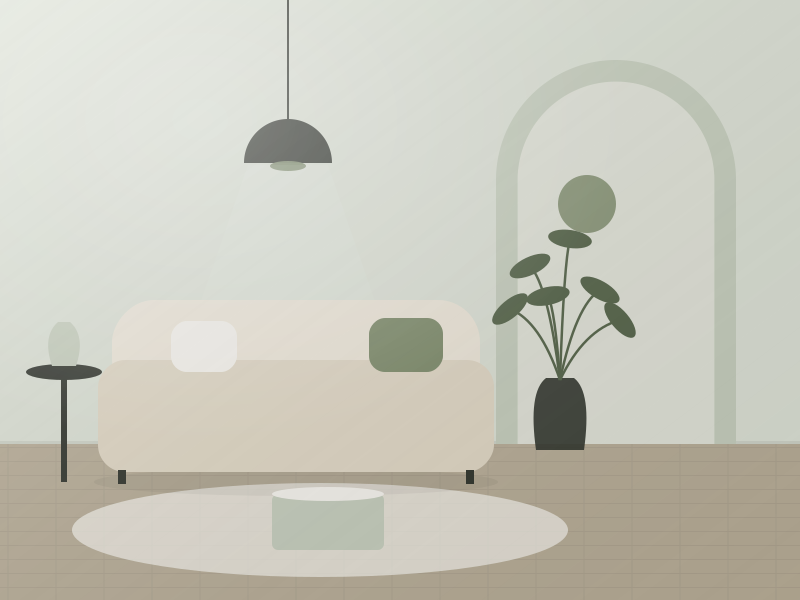
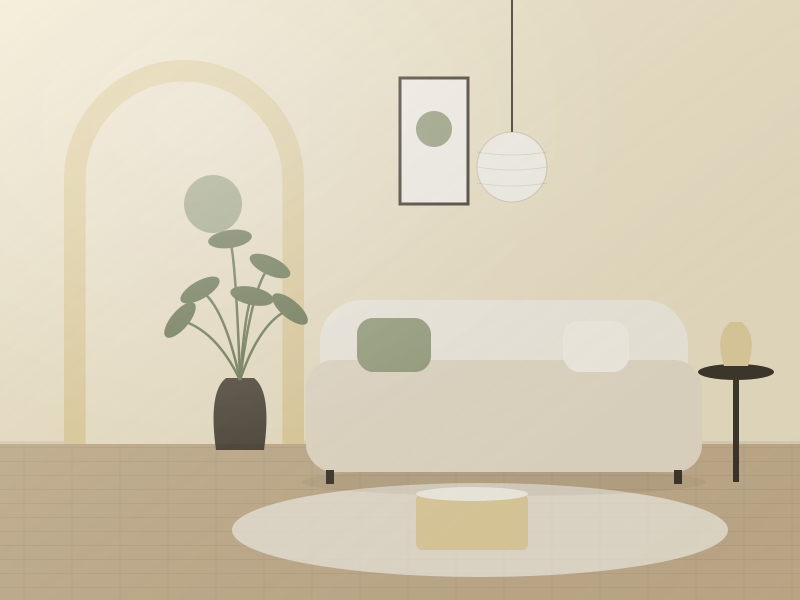
A low linen sofa, a solid elm or oak coffee table, a large flatweave or hand-knotted rug in undyed wool, limewashed walls and a single ceramic vessel. Leave at least one wall completely bare. A daybed or a pair of floor cushions near a window makes a reading corner, and an old wooden ladder or bench can hold throws. Size the rug so the front legs of the sofa and chairs sit on it, which usually means at least 200 x 300 cm (6.5 x 10 ft) in an average living room.
Bedroom
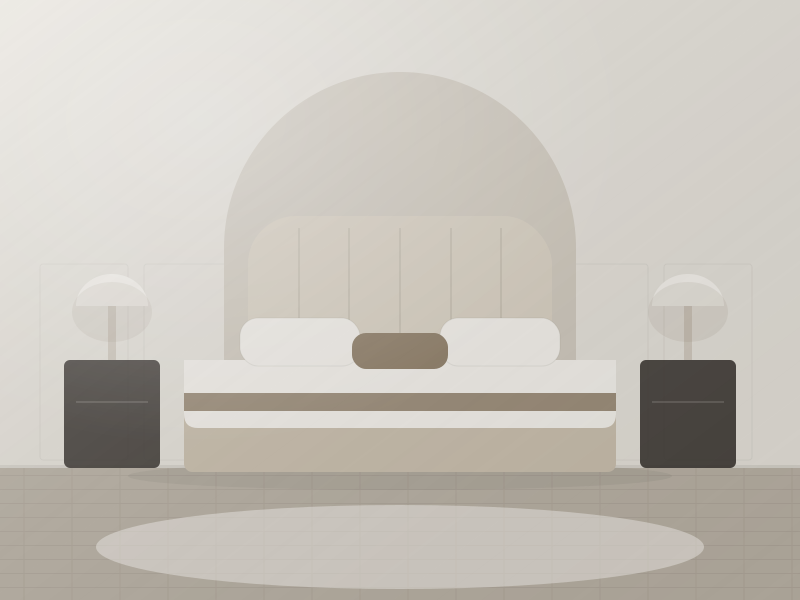
A low bed with a simple timber frame, rumpled linen bedding, a woven or plaster lamp and a wooden stool used as a bedside table. Blackout lining in soft linen curtains keeps the look without sacrificing sleep. Keep storage closed and simple, such as a plastered alcove with a linen curtain in place of a door, and leave the bedside to one lamp, one book and one small ceramic dish.
Dining
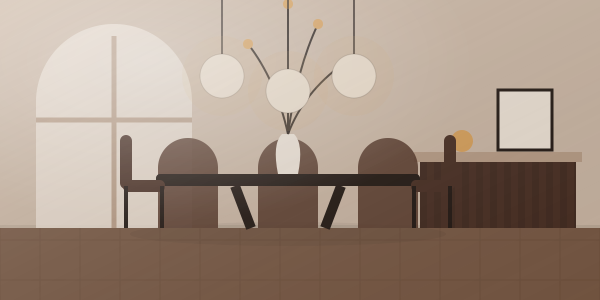
A solid timber table with a thick top and visible grain, benches or simple wooden chairs, and handmade stoneware in mismatched but related glazes. A single large pendant in paper or woven fiber hung 70–80 cm (28–32 in) above the table creates an intimate pool of light. Resist the temptation to set a permanent centerpiece; a bowl of seasonal fruit or a branch in a jar is enough.
Kitchen and bathroom
Handmade zellige or matte glazed tiles, timber open shelving for everyday ceramics, and stone or microcement worktops. In bathrooms, lime plaster or microcement walls with a proper sealer, and a stone or timber vanity. Our bathroom trends guide covers the practical side of these finishes.
Wabi-sabi vs. Japandi
Japandi is cleaner and more design-led, mixing Scandinavian comfort with Japanese restraint. Wabi-sabi is rawer and more rustic, prizing age and texture over polish. Many rooms borrow from both: a Japandi layout with wabi-sabi surfaces is a common and successful combination. Read our Japandi style guide to compare them in detail.
Common mistakes
- Confusing imperfect with unfinished. A deliberately textured plaster wall is skilled work; a poorly patched one is not.
- Buying "distressed" reproductions. Artificial aging looks fake next to genuinely worn materials. Buy honest new materials and let them age.
- Too much beige, not enough texture. Without rough, smooth and woven surfaces side by side, the room goes flat.
- Ignoring maintenance. Clients must be comfortable with patina, water marks on oiled wood and variation in handmade pieces. Explain this up front.
- Losing function. Minimal does not mean inconvenient. Plan enough hidden storage that daily life does not spill onto the few surfaces you want to keep clear.
Caring for wabi-sabi materials
The style ages well only when materials are maintained in the right way. Re-oil wooden tables and floors with a hardwax oil once or twice a year, or when water no longer beads on the surface. Clean limewash with a dry brush or damp cloth, never with harsh chemicals, and touch up marks with the same mix. Wash linen covers on a cool cycle and dry them flat or on the line to limit shrinkage; slight creasing is part of the look. Seal limestone and travertine counters, wipe acidic spills promptly, and accept that stone in kitchens will develop a soft etched patina over time. Handmade ceramics may be porous if unglazed on the inside, so check whether vases are watertight before using them for fresh flowers.
Free toolTile CalculatorWork out tiles, boxes, grout and adhesive with the right wastage.Shop & source the look
Buy it today — or have it made
Retail links are affiliate links: we may earn a commission at no extra cost to you (disclosure). “Get it made” sends the item to our sourcing desk for factory quotes in custom sizes and finishes.
Frequently asked questions
What does wabi-sabi mean in interior design?
It is an approach rooted in Japanese aesthetics that values imperfection, natural aging and simplicity. Interiors use raw, matte natural materials, handmade objects and asymmetric, uncluttered arrangements.
What is the difference between wabi-sabi and Japandi?
Japandi is cleaner and more refined, blending Scandinavian comfort with Japanese minimalism. Wabi-sabi is rawer and more rustic, celebrating patina, texture and visible age.
Which wall finishes suit a wabi-sabi interior?
Limewash, clay plaster and lime-based plasters such as tadelakt give soft, cloudy movement. They should be matte and applied by an experienced plasterer for the best result.
Is wabi-sabi practical for family homes?
Yes, as long as everyone accepts patina. Loose linen covers, oiled wood that can be spot-repaired and durable stone or microcement floors make it forgiving for daily life.
Some links may be affiliate links. Regulations and specifications change — always confirm with suppliers and qualified professionals.