Modern Mediterranean: Sun-Baked Colour, Arches and Terracotta
How to capture the relaxed warmth of coastal Spain, Italy and Greece — without a single cliché.
Key takeaways
- Let architecture — arches, niches, plaster — carry the style.
- Warmth comes from terracotta, limewash, linen and wood.
- Keep ironwork thin and decoration minimal.
- Ideal for rentals: durable, washable, photogenic.
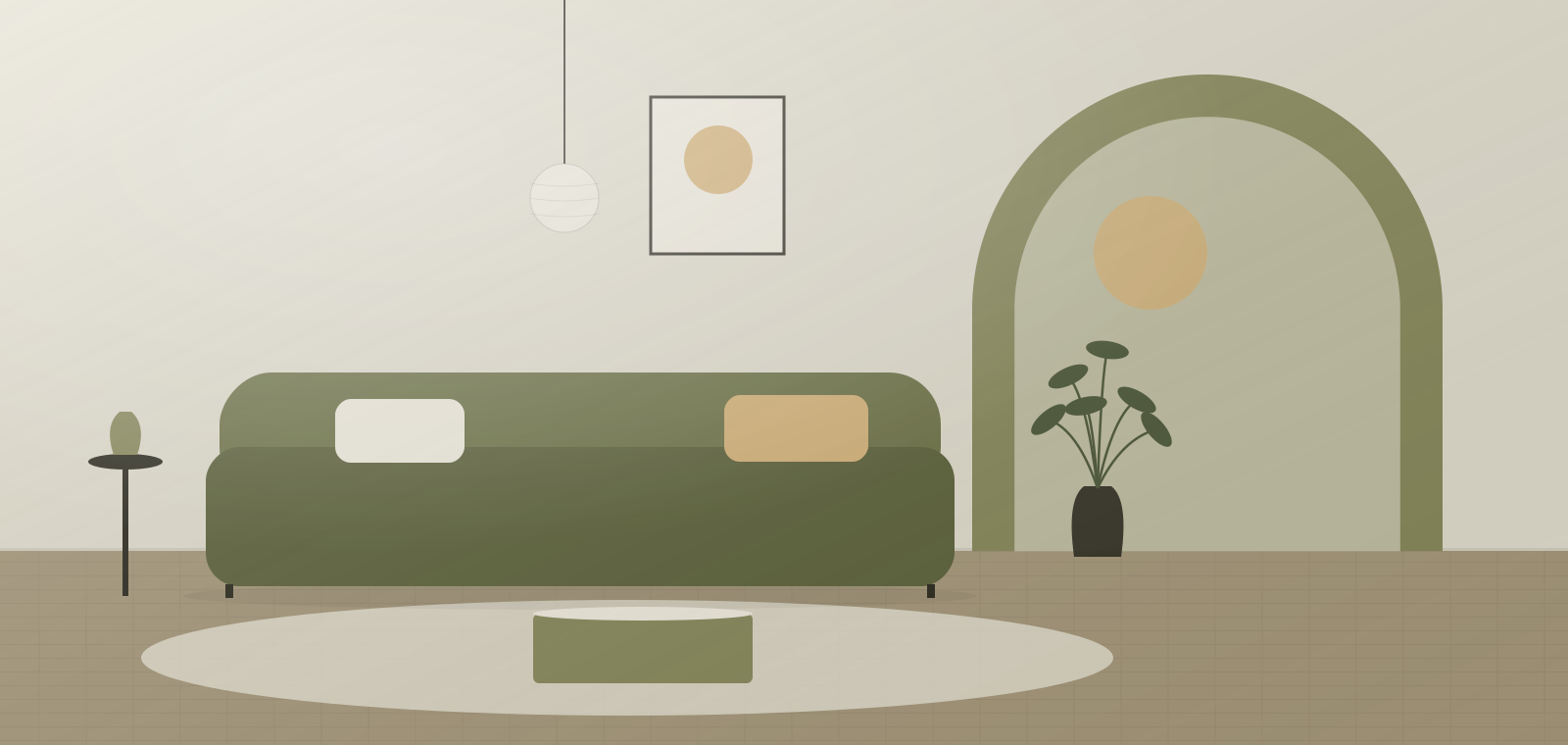
Modern Mediterranean is one of the most requested styles for holiday rentals and boutique hotels because it is both relaxed and photogenic. The key is restraint: warmth from materials, not themed decoration. There are no anchors, no painted pottery displays and no faux-aged columns in a good Mediterranean room, just thick walls, soft plaster, sun-warmed terracotta, linen and wood, all brought together with a sense of ease.
What defines the modern Mediterranean look
The style draws on the vernacular architecture of coastal Spain, southern France, Italy, Greece and North Africa, where homes were built to stay cool in hot climates. Thick masonry walls, small deep-set windows, shaded terraces and cool tiled floors were practical responses to the sun. Modern Mediterranean keeps that logic and those materials while stripping away the clichés.
- Soft, organic architecture: arches, rounded corners and built-in forms.
- Earthy, sun-bleached palette: whitewash, sand, terracotta and olive with a touch of sea blue.
- Handmade materials: terracotta, lime plaster, rush, rattan, linen.
- Indoor-outdoor living: terraces and courtyards furnished as rooms.
- Relaxed comfort: slipcovered sofas, low seating and simple wooden tables.
Architecture first
Arched openings, deep window reveals, built-in plaster seating and niches carry the style. If you can't change the architecture, suggest it with arched mirrors, curved headboards and plaster-finish furniture.
In renovations, some interventions deliver outsized results. Rounding the corners of walls with a plaster bead instead of a sharp metal one softens a room instantly. Building a plastered bench along a wall, with a timber or cushioned top, creates seating and storage together. Recessed niches, typically 15–25 cm (6–10 in) deep, give a place for ceramics or books without adding furniture. Where structural arches are not possible, a non-structural arched frame in a doorway can be formed in plasterboard. Keep arches simple: a semicircle or a gentle elliptical curve, never pointed or ornamented.
Palette
The palette mirrors the landscape: chalky whites, the sand of a beach, fired clay, silvery olive leaves and deep Mediterranean water. Use whitewash or sand as the dominant base, terracotta and wood as the warm middle layer, and olive or sea blue as accents.
#F2EADF#E3C9A8#C0714A#8A8A5C#3D5A73Color should feel faded rather than fresh, as if bleached by years of sun. Choose the grayer, softer version of each hue: a dusty terracotta rather than bright orange, a muted olive rather than grass green, a weathered blue-gray rather than bright cobalt.
Avoid bright pure white; a warm white with a hint of yellow or pink reads better in both strong southern sun and softer northern light. In cooler climates, lean more heavily on sand and terracotta so the scheme does not feel chilly on gray days. For more on warm, earthy combinations, see our 2027 color palettes.
Materials
- Terracotta and cotto floor tiles
- Limewash and textured plaster
- Rattan, rush and cane seating
- Linen and cotton textiles, often striped
- Olive wood, chestnut and oak
- Natural stone such as limestone and travertine
- Glazed ceramic tiles for kitchens and baths
Specifying these materials well is what separates a modern Mediterranean room from a themed one:
| Material | Best use | What to check |
|---|---|---|
| Handmade terracotta | Floors, terraces, stair treads | Porous; must be sealed; confirm frost resistance for exterior use in cold climates |
| Terracotta-look porcelain | Rentals, hotels, wet areas | Low maintenance; choose varied faces and a matte finish to avoid a flat look |
| Lime plaster / limewash | Walls, built-in seating, niches | Breathable; needs compatible primer on modern boards |
| Natural rattan and rush | Interior chairs, headboards, pendants | Keep out of rain and direct sun; not an outdoor material |
| Synthetic PE rattan | Terraces, pool areas | UV-stabilized fiber and powder-coated aluminum frame |
| Linen / cotton | Slipcovers, curtains, bedding | Prewashed to avoid shrinkage; removable, washable covers |
Tile layout matters as much as tile choice. Square terracotta tiles of 20 x 20 cm or 30 x 30 cm (8 or 12 in) laid in a simple grid or offset pattern feel most authentic; hexagonal tiles and traditional cotto rectangles in herringbone suit larger rooms. Specify grout in a warm sand tone slightly darker than the tile so joints recede, and order 10–15 percent extra to allow for cuts and natural variation in handmade pieces.
For a closer look at stone and plaster trade-offs, see our trending materials guide.
Furniture and lighting
Scale is important. Mediterranean furniture tends to be solid and generous rather than delicate, so choose fewer, larger pieces: a 220–240 cm (87–95 in) dining table for eight rather than a narrow one with extra leaves, and a deep sofa rather than several small chairs. Mix wood tones freely within a warm family, such as oak with olive wood and walnut, since the look is collected rather than matched.
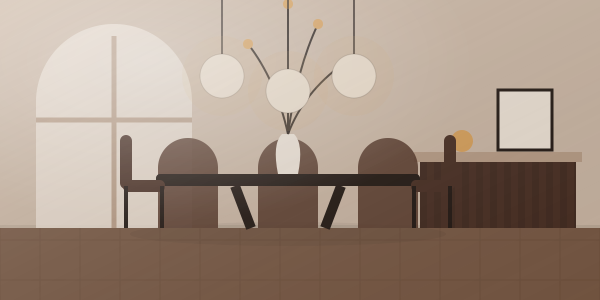
Chunky wood tables, rush-seat chairs, low slipcovered sofas and woven pendants. Wrought-iron details should be thin and simple, not ornate. Choose furniture with visible, honest construction: a thick oak or chestnut dining table, ladder-back chairs with rush seats, a daybed on a plastered base. Upholstery should look relaxed, with loose covers that can be removed and washed.
For lighting, woven pendants in rattan or seagrass throw beautiful patterned shadows; 50–70 cm (20–28 in) diameters suit most dining tables, hung 70–80 cm (28–32 in) above the surface. Add ceramic or plaster table lamps and simple wall lights in plaster or iron. Keep color temperature warm at 2700K. Outdoors, choose IP-rated fixtures (IP44 or higher for covered terraces, IP65 for exposed positions).
Textiles and pattern
Textiles are the easiest and least expensive layer to change, which makes them useful for shifting a scheme between summer and winter: lighter cottons and open weaves in warm months, heavier linen, wool throws and rugs when it cools.
Mediterranean textiles are simple and hard-working. Stripes are the signature pattern: ticking on cushions, wider stripes on outdoor fabrics and blinds. Keep to two or three patterns per room at most, all in the same palette. Flatweave rugs in jute, wool or cotton suit tiled floors; they are easy to lift and wash. Heavy linen curtains in natural or sand shades filter bright light while keeping rooms airy.
Room by room
Living room
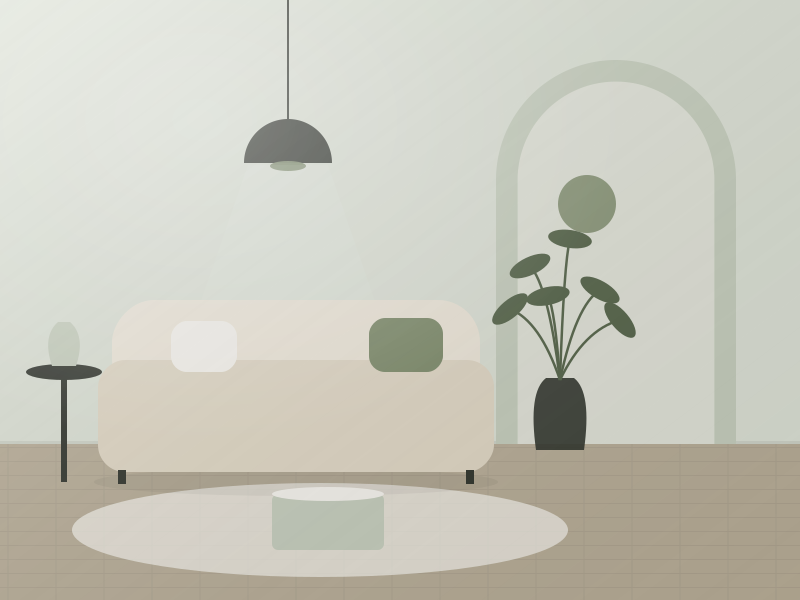
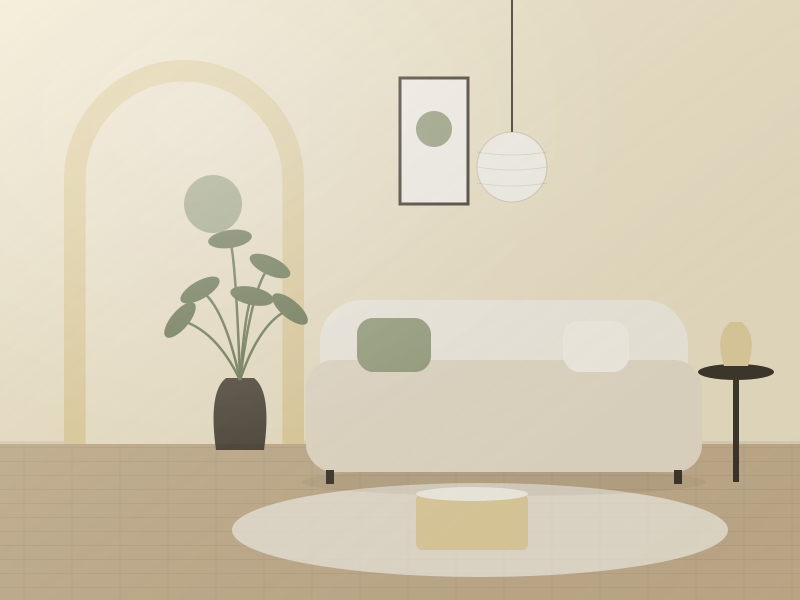
A low slipcovered sofa in sand linen, a thick wooden coffee table, a pair of rattan lounge chairs and a flatweave rug on terracotta floors. Add a plastered niche with a few ceramics and a large arched mirror to bounce light.
Kitchen
Plaster-finish or painted timber cabinets, a zellige or glazed tile backsplash, open shelving for everyday dishes and a solid-wood island or table. Stone or plaster range hoods are a signature detail; honed limestone, soapstone or a sealed microcement make practical worktops. Keep 100–120 cm (40–48 in) of clearance between island and counters so two people can cook comfortably.
Bathroom
Lime plaster or microcement walls, handmade glazed tiles in a single color, a stone or plaster vanity with a vessel basin and aged brass or matte black fittings. A simple arched mirror and a linen curtain in place of a glass screen complete the look. In wet zones, make sure plaster finishes are specified and sealed for water exposure.
Bedroom
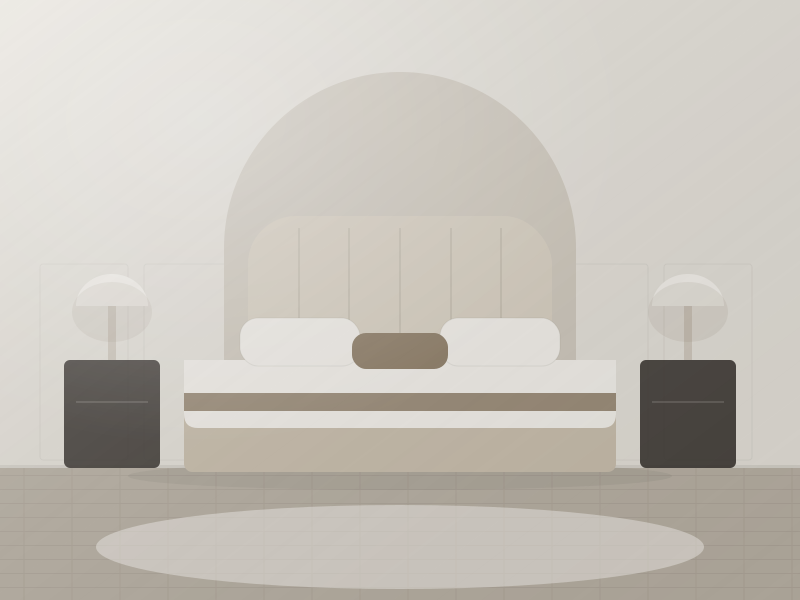
A curved or plastered headboard, white or sand linen bedding with a striped throw, woven pendant and simple wooden side tables. Shutters or heavy linen curtains control the light.
Terrace
Treat the terrace as an extra room: a long dining table under shade, outdoor-grade cushions, planters with olive trees or herbs, and warm lighting. Our outdoor living trends guide covers specifications for exterior furniture.
Avoiding the clichés
- Skip themed accessories such as anchors, ship wheels and painted souvenir plates.
- Keep ironwork fine and minimal; ornate scrolls date the room.
- Don't use every blue in the ocean. One muted blue accent is enough.
- Avoid glossy tiles on floors; matte and handmade finishes feel authentic.
- Don't mix too many regional references. A room that combines Moroccan lanterns, Greek blue shutters and Tuscan ironwork looks like a theme park; pick one leaning and let the materials do the rest.
The test is simple: if an object is there only to announce "Mediterranean," remove it. If it is there because it is comfortable, useful or beautifully made, it belongs.
Adapting the style to cooler climates
The style was developed for heat, so its instincts, such as bare tiled floors, open windows and minimal textiles, need tempering in cold, gray places.
Modern Mediterranean works far from the coast if you adapt it thoughtfully. In northern light, warm the base color toward sand or pale clay, use heavier linen and wool textiles, add rugs over tiled floors and choose terracotta-look porcelain with underfloor heating for comfort. Timber becomes more important as a warming material, and lighting should be layered with lamps rather than relying on daylight. Keep blue accents minimal, since cool blues can feel chilly under gray skies.
For rentals and hotels
Choose washable slipcovers, sealed terracotta, outdoor-grade fabrics for terraces and durable rush seats. A consistent palette across units makes replacements easy. Standardize sizes of cushions, curtains and rugs so spares can be stocked, specify contract-grade fabrics with suitable abrasion and fire ratings, and choose porcelain terracotta-look tiles where maintenance teams are stretched. Our hotel FF&E sourcing guide explains how to plan these purchases across multiple rooms.
Free toolTile CalculatorWork out tiles, boxes, grout and adhesive with the right wastage.Shop & source the look
Buy it today — or have it made
Retail links are affiliate links: we may earn a commission at no extra cost to you (disclosure). “Get it made” sends the item to our sourcing desk for factory quotes in custom sizes and finishes.
Frequently asked questions
What are the key elements of modern Mediterranean interior design?
Arches and soft architectural curves, lime plaster walls, terracotta floors, natural woods, rattan and rush, linen textiles and a warm palette of whitewash, sand, terracotta, olive and sea blue.
How do I get a Mediterranean look without arches?
Suggest curves with arched mirrors, curved headboards and rounded furniture, add plaster-finish pieces or limewash walls, and use terracotta or terracotta-look tiles with natural textiles.
Is terracotta flooring practical?
Handmade terracotta is porous and needs sealing and occasional resealing, but it is durable and ages well. Terracotta-look porcelain is a lower-maintenance alternative for rentals and wet areas.
Can rattan furniture be used outdoors?
Natural rattan should stay indoors or under full cover. For terraces and pool areas, specify synthetic PE rattan on a powder-coated aluminum frame with UV-stabilized fiber.
Some links may be affiliate links. Regulations and specifications change — always confirm with suppliers and qualified professionals.