Scandinavian Interior Design: A Modern Guide to Nordic Style
Light, honest materials and furniture built for daily life. How to design a Scandinavian interior that feels warm and current rather than bare, white and borrowed from a catalog.
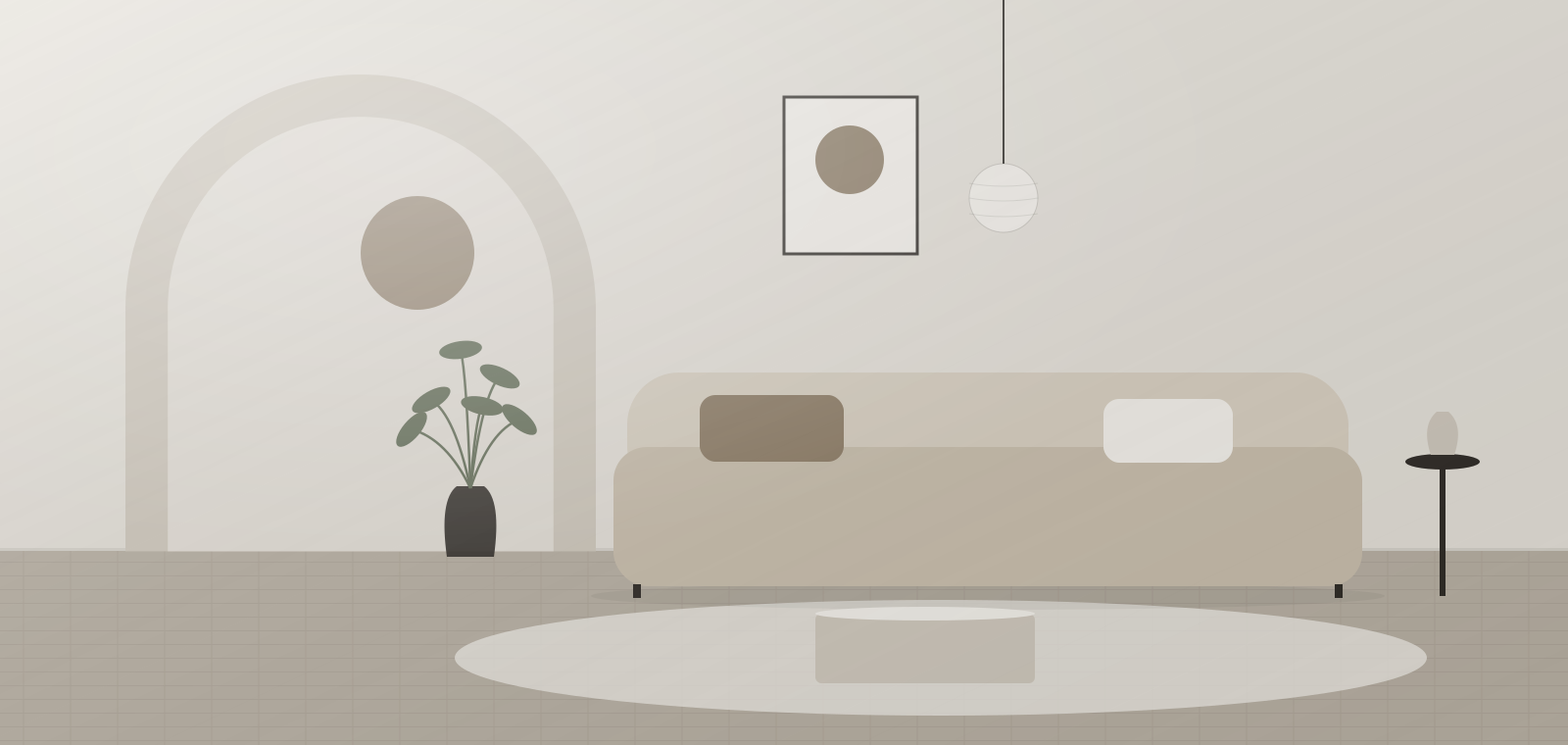
Key takeaways
- Design around daylight: pale surfaces, minimal window treatments, raised furniture.
- Use warm whites and pale oak, then add one muted green or blue.
- Choose useful, well-made pieces with slim legs and visible joinery.
- Warm 2700K light and layered textiles stop the look from feeling cold.
Scandinavian design was never meant to be a look. It grew out of long, dark winters, small homes and a belief that well-made, useful objects should be available to ordinary households. That is why the style still works: it is a set of decisions about light, material and comfort, not a list of props. This guide explains the principles, the palette, the furniture forms and the room-by-room details that separate a considered Nordic interior from a white room with a sheepskin thrown over a chair.
The principles behind Nordic style
Four ideas do most of the work. Get them right and the details follow.
- Maximize daylight. Light is the most valuable material in a Nordic home. Keep window treatments minimal, use pale reflective surfaces on walls and floors, and avoid placing tall furniture where it blocks the path of light into the room.
- Function first. Every piece should earn its place. A dining chair must be comfortable for a long dinner; a sideboard must actually store things. Decoration comes from the quality of useful objects rather than from ornament.
- Natural, honest materials. Solid wood, wool, linen, leather, ceramic and paper. Finishes are matte or oiled so the material reads as itself.
- Comfort as a design goal. The Danish idea of hygge and the Swedish idea of lagom — not too much, not too little — both point to rooms that feel calm and inhabited. Soft textiles, candlelight and a comfortable place to sit are not optional extras.
The modern version is warmer than the 2010s interpretation. Stark white walls and gray everything have given way to warm whites, oatmeal, clay and muted greens, with more wood and more texture. If you are unsure whether the style suits you, our style quiz compares it against Japandi and organic modern.
The Scandinavian palette
Start with a warm white on walls and ceiling, a pale timber floor and one or two muted accent colors pulled from nature. Blacks and charcoals are used sparingly — a lamp, a picture frame, a chair — to give the room definition.
#F3EFE7#E2D9CA#C9B79C#9DAA98#7F8B99#2F2F2DHow to use it: keep roughly the larger surfaces (walls, floor, sofa) in the three lightest tones, use the green or blue on one large element such as a rug, headboard wall or cabinet run, and let charcoal appear in small, repeated doses. Choose paints with a slightly warm undertone; a blue-based white in a north-facing room will read cold and gray in winter light. Palette Studio at /palettes/ lets you test combinations before buying samples.
Materials and finishes
Wood
Pale species define the look: white oak, ash, birch, beech and pine. Specify a matte oil or hardwax-oil finish, or a white-pigmented oil if you want to hold the timber pale as it ages. Avoid orange-toned lacquers, which read as dated. For flooring, wide planks of 180–220 mm (7–9 in) in oak with a natural or lightly whitened oil are a safe, long-lived choice. If you are combining several timbers, read our guide to mixing wood tones.
Textiles
Wool bouclé, felted wool, heavy linen, cotton canvas and sheepskin. Choose a rug with real texture — flatweave wool, a low-pile hand-tufted wool or a braided jute-wool mix. Curtains should be unlined or lightly lined linen, hung from ceiling height and wide enough to clear the glass fully when open.
Metal, stone and ceramic
Powder-coated steel in black or white, brushed aluminum and small amounts of brass. Stone is usually pale and quiet — honed limestone, light terrazzo or soapstone. Handmade stoneware in matte glazes provides most of the decoration.
Furniture forms to look for
Scandinavian furniture is recognizable by slim proportions, visible joinery and gentle curves that make objects feel friendly rather than severe.
- Sofa: a low, tight-back or loose-cushion sofa on tapered wooden or slim metal legs. Seat height around 42–45 cm (16.5–17.5 in). Raised legs let light pass underneath and make small rooms feel larger.
- Lounge chair: an open-frame chair in solid wood with woven cord, paper cord or leather seat, or a rounded upholstered shell with a low back.
- Dining table: solid oak or ash with a round or oval top in smaller rooms; extendable tables are common and practical.
- Dining chairs: steam-bent or spindle-back chairs, woven paper-cord seats, or molded plywood shells. Mixing two chair models around one table is very Nordic.
- Storage: low sideboards on legs, wall-hung shelving systems and simple plank shelves. Keep storage closed where possible so surfaces stay calm.
- Lighting: layered shade pendants in paper, opal glass or spun metal, plus several table and floor lamps. See how to layer lighting for the method.
Room by room
Living room
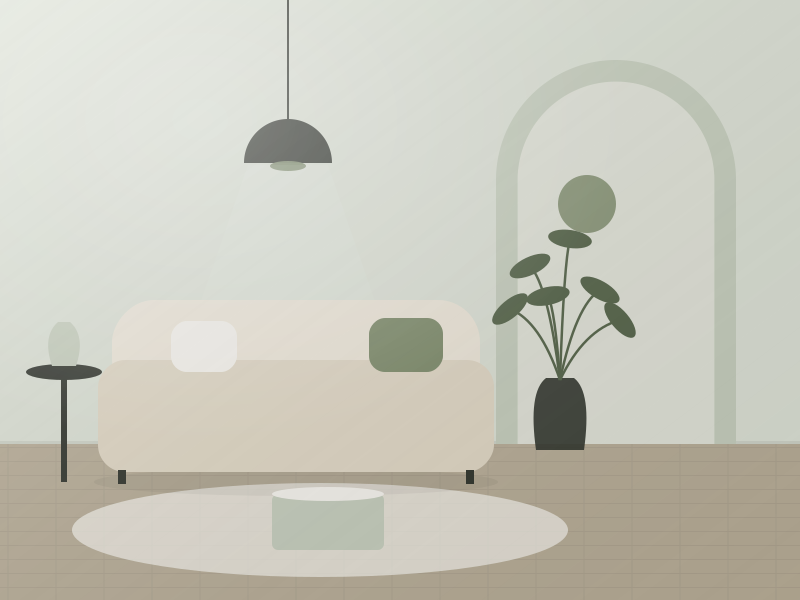
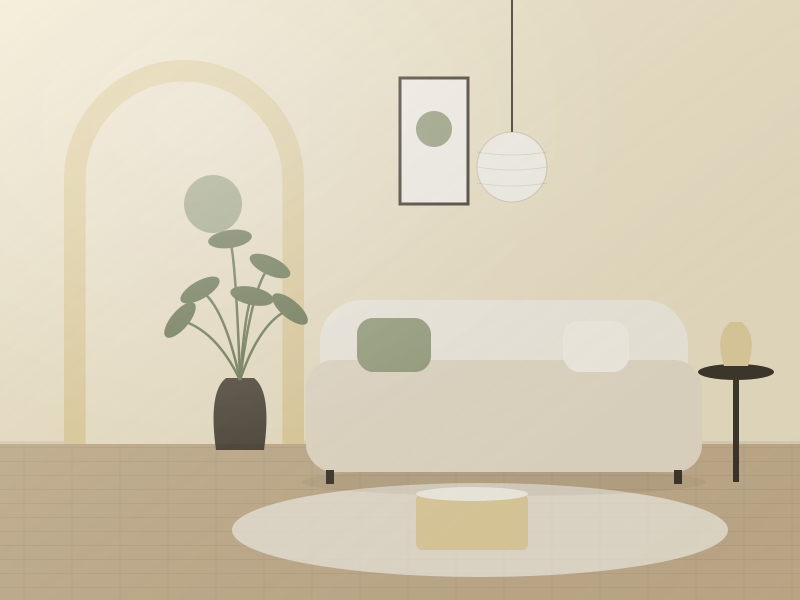
Anchor the room with a light sofa, a textured rug large enough for at least the front legs of every seat, and a wooden coffee table 40–45 cm (16–18 in) from the sofa front. Add one lounge chair in a contrasting material — wood and cord against an upholstered sofa, for example. Hang art low and in small groups rather than a large gallery wall. Add at least three sources of warm light at 2700K.
Bedroom
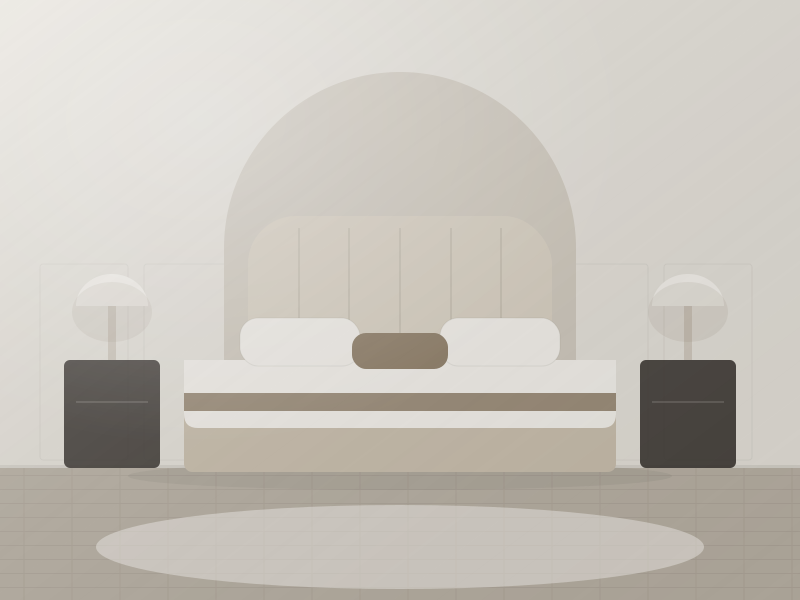
A simple wooden or upholstered bed, linen bedding in white, oat or a muted green, and wall-mounted reading lights to keep nightstands clear. Layer a wool throw and a rug that extends 45–60 cm (18–24 in) beyond each side of the bed. Blackout lining is worth adding here even if the rest of the home uses sheer linen.
Kitchen and dining
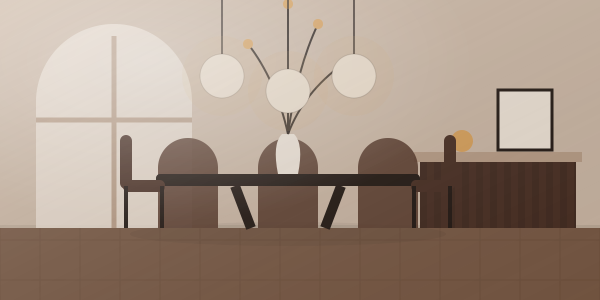
Matte flat-panel or slim-shaker fronts in white, pale oak or soft green; integrated or simple bar handles; a pale stone, compact laminate or solid wood worktop. Open shelves are fine in moderation — one or two runs of everyday ceramics. Over the table, hang one pendant (or two for long tables) so its bottom sits 70–85 cm (28–34 in) above the tabletop.
Bathroom
Large-format pale tiles or microcement, a wall-hung oak vanity, matte black or brushed steel fittings and plenty of towel storage. A wooden bath mat and linen towels do the decorating.
Hallway
Nordic homes take entry storage seriously: a bench, a row of pegs at 160–170 cm (63–67 in), a closed shoe cabinet and a durable runner. It keeps the rest of the home clutter-free.
Adapting the style to your climate and home
The style was shaped by low northern light, so it needs adjusting elsewhere. In bright, hot climates — the Gulf, southern Europe, the American Sun Belt — pure white surfaces can produce glare. Shift the wall color a step deeper toward oat or pale stone, add lined linen curtains or timber shutters, and lean on cooler textiles such as cotton and linen rather than heavy wool. Swap sheepskin for a textured cotton throw and keep the wool rug for cooler months.
In apartments with little natural light, do the opposite: stay with the palest warm whites, choose a light oak or ash floor, add a large mirror opposite or beside the main window and increase the number of lamps rather than the brightness of ceiling fixtures. Rentals where you cannot paint or change floors can still read Nordic through a large pale rug over the existing floor, wooden furniture on legs, linen curtains and a consistent set of warm lamps. Plants help everywhere: one large floor plant and a few smaller ones soften the geometry of simple furniture and bring the outdoors in, which is at the root of the style.
Common mistakes
- Too much white. A room of white walls, white sofa and white floor is flat, not Scandinavian. Add wood, texture and at least one mid-tone.
- Cold light bulbs. 4000K and above makes pale rooms clinical. Use 2700K in living spaces and 2700–3000K in kitchens.
- Catalog sameness. Buying every piece from one range produces a showroom. Mix new with vintage, and add one or two handmade objects.
- Scale too small. Slim legs and light frames are good; undersized rugs and tiny art are not. Size up rugs and lamps.
- Clutter on open shelving. The style depends on calm surfaces. If you cannot keep shelves edited, choose closed storage.
- Ignoring comfort. Hard, low chairs look the part but are rarely used. Test seat depth and back angle before buying.
Scandinavian vs Japandi vs organic modern
| Style | Palette | Wood | Mood |
|---|---|---|---|
| Scandinavian | Warm white, oat, muted green or blue, charcoal accents | Pale oak, ash, birch, pine | Bright, cozy, practical |
| Japandi | Greige, stone, ink, deeper browns | Oak plus darker walnut or charred timber | Calm, spare, restrained |
| Organic modern | Cream, sand, clay, mushroom | Mid-tone oak, rounded solid wood | Soft, sculptural, earthy |
For the neighboring styles, see our Japandi style guide and organic modern guide.
Shopping list
- Sofa on raised legs in a warm white, oat or light gray-green woven fabric.
- Solid oak or ash dining table, ideally round or extendable.
- Four to six spindle-back or paper-cord dining chairs.
- Wool flatweave or low-pile rug sized for the seating group (use the rug size calculator).
- Paper or opal glass pendant, plus two table lamps and a floor lamp at 2700K.
- Low oak sideboard on legs or a wall-hung shelving system.
- Linen curtains and bedding in natural or muted tones.
- Wool throws, sheepskin and a few matte stoneware pieces.
- Black or natural wood picture frames for a small art group.
If you are furnishing a whole home or a hospitality project, our sourcing desk can collect factory quotes on solid-wood furniture and lighting, and our e-design service can plan the layout for you.
Free toolTile CalculatorWork out tiles, boxes, grout and adhesive with the right wastage.Shop & source the look
Buy it today — or have it made
Retail links are affiliate links: we may earn a commission at no extra cost to you (disclosure). “Get it made” sends the item to our sourcing desk for factory quotes in custom sizes and finishes.
Frequently asked questions
What colors are used in Scandinavian interiors?
Warm whites, oatmeal and pale wood form the base, with muted greens, blues or clay as accents and small amounts of charcoal or black for definition.
Is Scandinavian style still in style?
Yes, but it has warmed up. Current Nordic interiors use more wood, warmer whites, more texture and deeper accent colors than the stark white rooms of the 2010s.
What is the difference between Scandinavian and Japandi?
Japandi borrows Nordic function and comfort but adds Japanese restraint, lower furniture and a darker, more muted palette with contrasting wood tones.
Which wood is best for Scandinavian furniture?
Pale species such as white oak, ash, birch and beech, finished with a matte oil or hardwax oil so the grain stays visible.
Some links may be affiliate links. Regulations and specifications change — always confirm with suppliers and qualified professionals.