Bathroom Paint Colors: Best Shades, Paint Types and Sheens
The best bathroom paint colors for 2027 are warm whites, soft greens, clay pinks and deep inky blues. Use a mildew-resistant satin acrylic, and for a small bathroom keep walls at LRV 65–85.
Part of our guide: Bathroom Trends 2027: The Spa at Home
Key takeaways
- The best bathroom paint colors for 2027 are warm whites, sage and eucalyptus greens, clay pinks and deep inky blues
- For a small bathroom, choose light colors at LRV 65–85 with a warm undertone, or go fully dark and drench the room
- Use a mildew-resistant 100 percent acrylic bathroom paint in satin; semi-gloss for trim, doors and around showers
- Pick paint after tile, vanity and fixtures, and run an exhaust fan rated at least 50 CFM or about 1 CFM per sq ft
The best bathroom paint colors for 2027 are warm whites, soft sage and eucalyptus greens, clay and plaster pinks, and deep inky blues. For a small bathroom, keep walls light at LRV 65–85 or commit to a fully dark, drenched room. Whatever the shade, use a mildew-resistant acrylic paint in a satin finish.
- Top colors: warm white, sage green, clay pink, greige, deep navy or ink.
- Small bathrooms: LRV 65–85 for light schemes; below LRV 15 for a deliberate jewel-box effect.
- Paint type: 100 percent acrylic with mildewcide, labeled for kitchens and baths.
- Sheen: satin for walls, semi-gloss for trim and doors, flat only on well-ventilated ceilings with bathroom-rated paint.
- Ventilation: an exhaust fan of at least 50 CFM, or about 1 CFM per sq ft of floor.
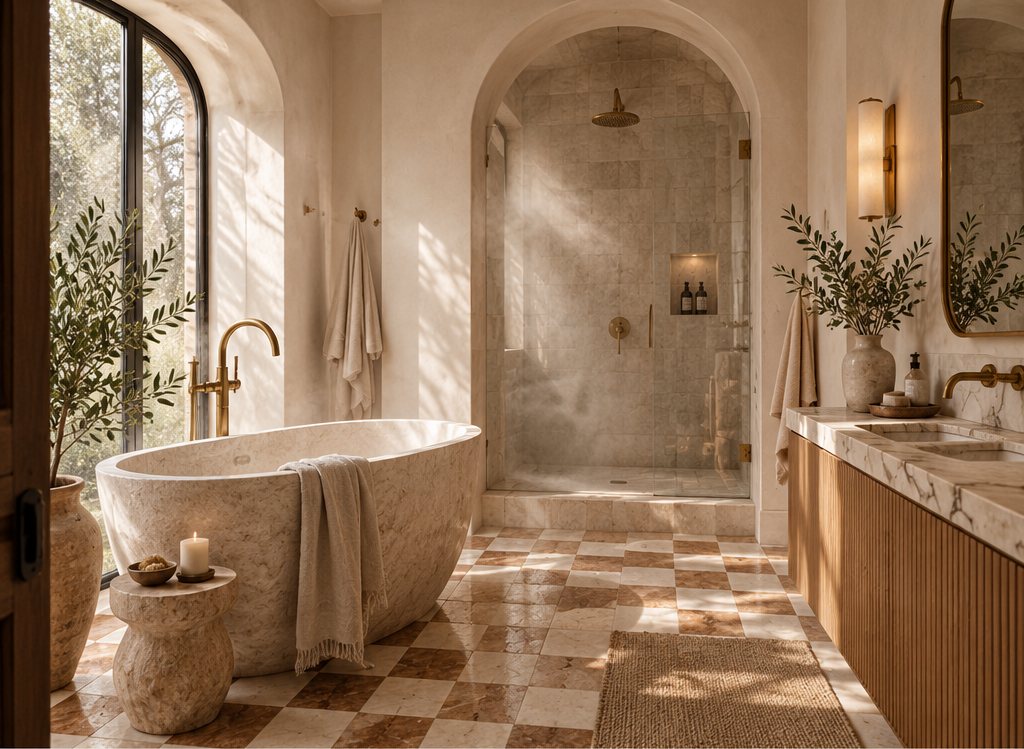
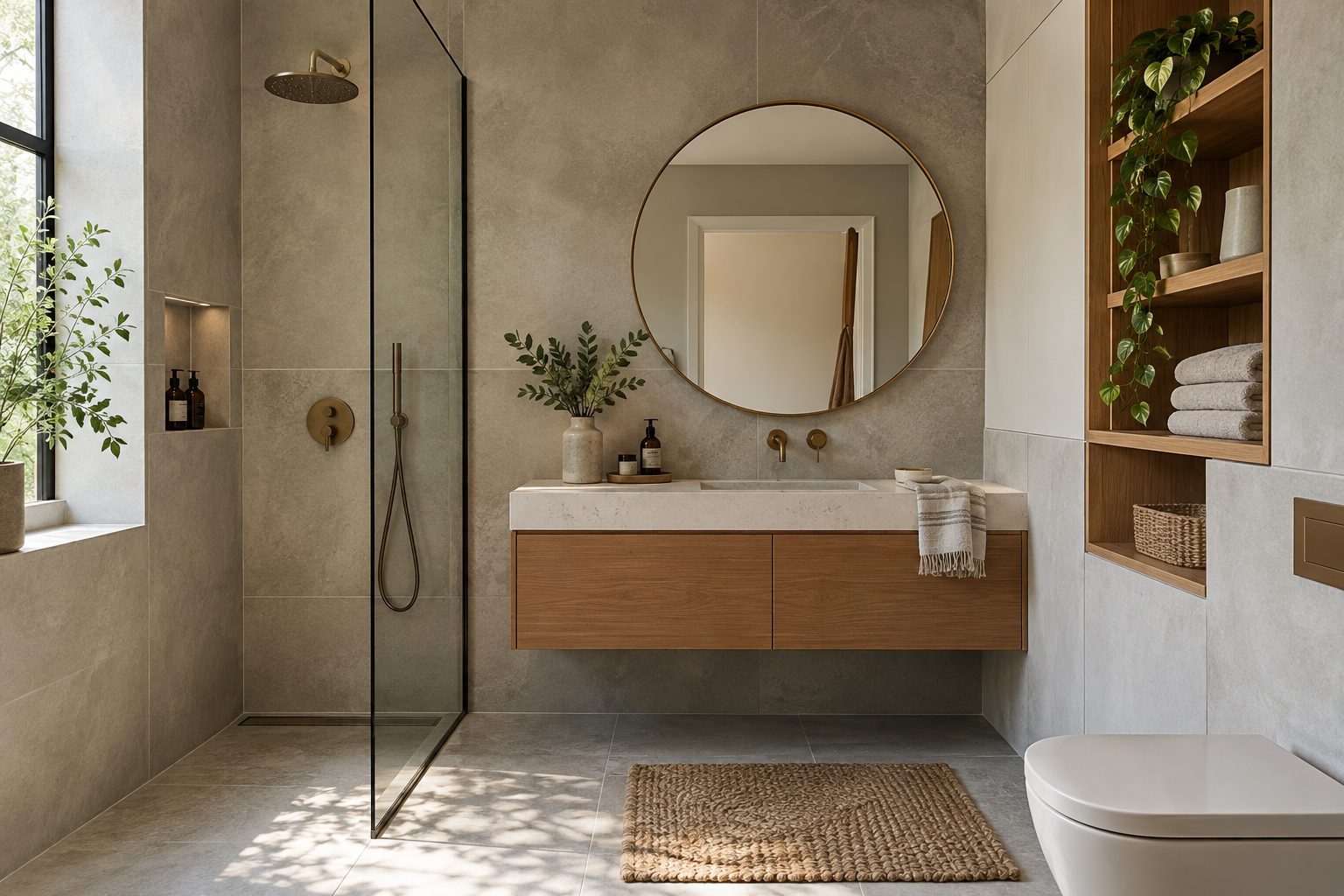
Color is the cheapest way to change a bathroom, and it sits inside the wider shifts in our bathroom trends 2027 report: warmer whites, earthy greens, plaster textures and fewer stark gray-and-white schemes. Below are bathroom color ideas that work with real tile and fixtures, then the paint, sheen and prep that make them last in steam.
What are the best bathroom paint colors for 2027?
The best bathroom paint colors for 2027 are warm, slightly earthy shades that look good next to skin and under warm light: creamy white, sage, eucalyptus, clay pink, mushroom greige and deep ink blue. Clinical blue-whites and cool mid grays are fading.
#F1EBE0#B9C2AE#8FA394#D9B5A0#C9BFB1#2E3A4AThe hex codes are approximate screen references for comparison only. Read the list of bathroom color suggestions by mood:
- Calm and bright: warm white or soft greige, oak vanity, brushed nickel or unlacquered brass.
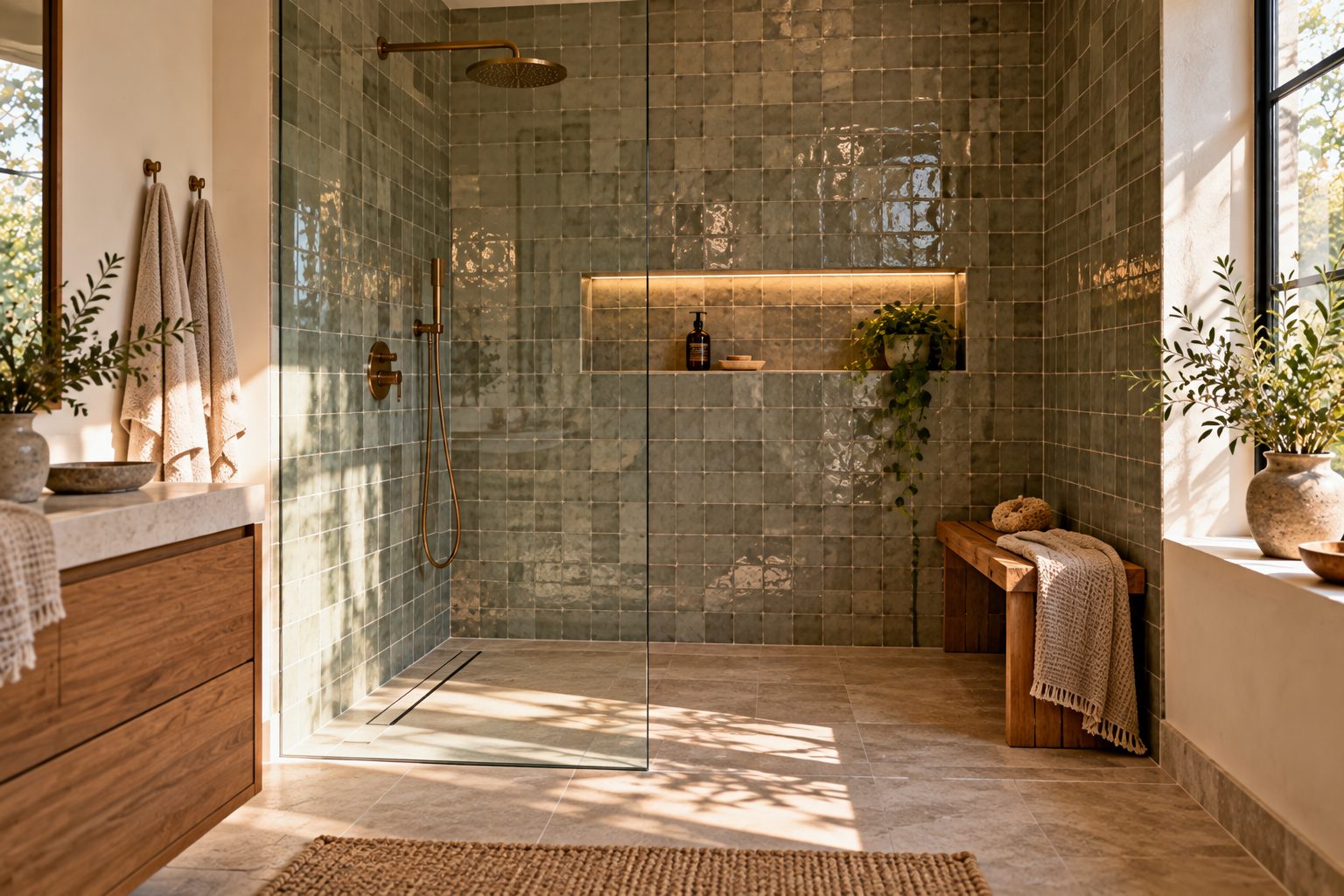
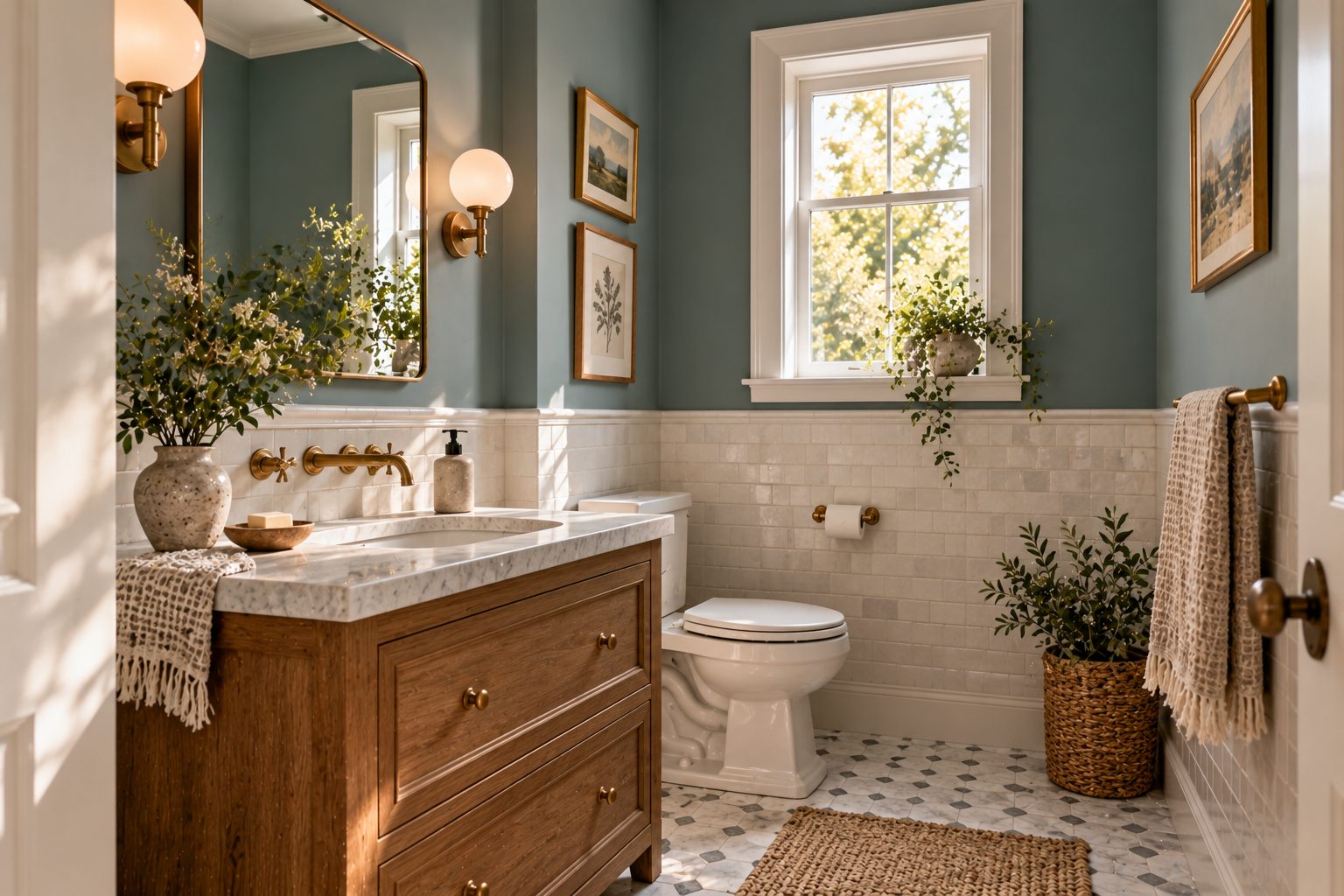
- Spa-like: sage or eucalyptus with white zellige-look tile, teak and linen.
- Warm and flattering: clay pink or plaster pink with terracotta floor tile and aged brass.
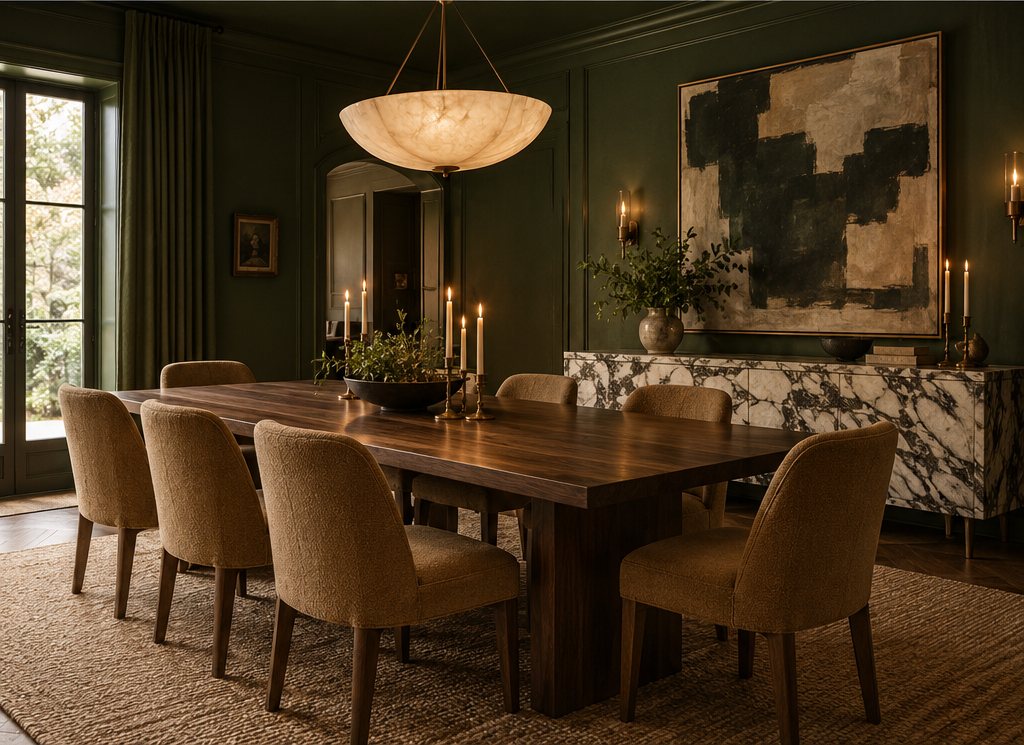
- Dramatic: ink blue or deep green drenched over walls and ceiling with marble and polished brass.
Clay pink is the most flattering of these in mirrors, which matters more in a bathroom than any other room.
What is the best paint color for a small bathroom?
The best paint color for a small bathroom is a warm light shade at LRV 65–85, such as a creamy white, pale greige or soft sage, because it reflects the limited light without looking stark. If the room has no window, a deep color drenched over every surface can work better than a weak mid tone.
Light colors for small bathroom walls do three jobs: they bounce light from a single vanity fixture, they blur corners and they make low ceilings recede. Warmth matters, because many small bathrooms rely only on artificial light; a cool white at LRV 90 under a 4000K bulb looks gray and clinical. Good small bathroom colors include:
- Warm white (LRV 80–88): the safest choice, especially with white sanitaryware.
- Pale greige (LRV 65–75): hides splashes better than white and suits wood vanities.
- Soft sage (LRV 55–68): a gentle color that still feels light.
- Blush or plaster pink (LRV 60–72): flattering and warm in windowless rooms.
Small bathroom paint ideas that add impact
Paint the ceiling the same color as the walls to remove the hard line at the top, or paint it one step lighter. Run a contrasting color on the lower third with a chair rail at about 36–42 in (91–107 cm) for a traditional look. For a powder room, go dark; our half bathroom ideas show why small, rarely used rooms carry deep color well. More layout tricks are in our small bathroom ideas.
What type of paint should you use in a bathroom?
Use a 100 percent acrylic interior paint formulated for kitchens and baths, with a mildew-resistant additive, in a satin finish. This is the best paint for bathrooms because it resists moisture, tolerates scrubbing and does not peel when steam condenses on it.
Bathroom paint costs more than standard wall paint, typically $45–90 per gallon in the US in 2026, but a small bathroom usually needs only one gallon for two coats. Look for these on the label:
- Mildew-resistant or antimicrobial film: protects the dried paint surface, not the wall behind it.
- High scrub resistance: so you can wipe off toothpaste and hairspray.
- Low or zero VOC: important in a small, enclosed room.
- Primer compatibility: a stain-blocking primer is needed over water marks or bare patches.
Avoid oil-based paints on bathroom walls; they yellow and are harder to touch up. Inside a shower or on a tub surround that gets wet directly, do not rely on paint at all: tile, stone or a waterproof plaster such as tadelakt is the right finish.
What paint sheen is best for a bathroom?
Satin is the best paint sheen for bathroom walls, semi-gloss is best for trim, doors and cabinetry, and matte is acceptable only with a bathroom-rated formula and good ventilation. Higher sheen resists moisture better but shows wall flaws more.
| Sheen | Typical gloss (60°) | Moisture resistance | Hides flaws | Best bathroom use |
|---|---|---|---|---|
| Flat / matte | 0–10 | Low (unless bath-rated) | Excellent | Ceilings and powder rooms with a strong fan |
| Eggshell | 10–25 | Moderate | Good | Powder rooms and half baths with no shower |
| Satin | 25–35 | Good | Fair | Walls in full bathrooms |
| Semi-gloss | 35–70 | Very good | Poor | Trim, doors, vanity cabinets, window frames |
| Gloss | 70+ | Excellent | Very poor | Small details, painted furniture, lacquer looks |
Gloss ranges vary by manufacturer, so treat these as typical bands. For the trade-offs in other rooms, see our paint sheen guide.
Which bathroom color schemes work with tile and fixtures?
The bathroom color schemes that work best start from the fixed finishes, tile, stone, vanity and metal, and then take the paint color from an undertone already in them. Choose paint last, never first.
- White tile and chrome: sage, eucalyptus or ink blue walls stop the room looking sterile.
- Warm beige or travertine tile: warm white, mushroom greige or clay pink.
- Green or blue zellige-look tile: pull a softer, lighter version of the tile color onto the walls, or use warm white.
- Black and white checkerboard floor: warm white walls with a soft black door, or a deep olive for drama.
- Wood vanity and brass: greige, sage or plaster pink.
Hold paint samples directly against your tile and countertop, under the bathroom's own bulbs. Tile and paint read very differently once grout, gloss and reflections join in; our bathroom tile ideas cover the tile side of the scheme.
Which neutral bathroom paint colors look best?
The neutral bathroom paint colors that look best are warm whites at LRV 80–88, soft greiges at LRV 60–72 and light taupes, because they flatter skin and suit both brass and nickel. Cool grays look flat in most bathrooms.
Neutral bathroom wall colors are also the practical resale choice. They let you change towels, rugs and accessories with the seasons, and they never fight with patterned floor tile. If you love neutrals but worry about blandness, add depth with texture instead: a limewash or plaster-effect finish on one wall, a painted wood ceiling or vertical paneling to 48 in (122 cm). Good bathroom wall colors in the neutral family also make a small window seem larger, since the light bounces around the room.
Lighting changes every bathroom color
Judge any bathroom color under the bulbs you will actually use. Vanity lighting at 2700–3000K and CRI 90 or higher renders warm whites, greens and pinks accurately and keeps skin tones natural; 4000K and above pushes every neutral toward gray. Plan around 1,600–2,400 lumens in total for a typical 40–60 sq ft (4–6 m²) bathroom, split between a ceiling fixture and side-mounted sconces at about face height, rated IP44 or higher near water. Layered light also stops a deep color from looking flat at night, which is why dark powder rooms need two light sources rather than one.
How to paint a bathroom so it lasts
A bathroom paint job lasts when you clean and degloss the walls, prime stains, use bath-rated satin paint and let it cure fully before the first shower. Follow these steps:
- Measure the walls, deduct tile, mirrors and doors, and check quantities with our paint calculator. Most small bathrooms need 1 gallon (3.8 L) for two coats.
- Clean with a degreasing cleaner, rinse and let dry for a day; soap film stops paint bonding.
- Treat mildew with a mildew remover, rinse and dry fully before painting.
- Scrape and fill peeling areas, sand smooth and dust off.
- Prime stains and patches with a stain-blocking primer; prime the whole room if changing from glossy to matte or dark to light.
- Apply two coats of satin bathroom paint, keeping a wet edge and cutting in around tile with a 2 in (50 mm) angled brush.
- Wait before showering: follow the can, but allow at least 24–72 hours, then run the fan during and 20 minutes after every shower.
Do not forget the ceiling. Steam rises, so bathroom ceilings take the most condensation; use the same bath-rated paint there, in flat or satin, rather than a standard ceiling white. A professional typically charges $350–900 to paint a standard 5 x 8 ft (1.5 x 2.4 m) bathroom in the US, depending on prep and region.
Mistakes we see with bathroom colors
The mistake we see most often is a cool gray or blue-white chosen from a chip, then lit by a single 4000K bulb, which makes the bathroom feel cold and makes everyone in the mirror look tired. Warm the light and the color together.
- Painting before choosing tile: it locks you into a color the tile may fight.
- Flat paint in a family bathroom: it marks, absorbs moisture and fails within a year or two.
- No fan, or a fan that is too small: no paint survives constant condensation.
- Mid tones in windowless rooms: go light or go dark; middle shades look murky.
Our verdict: for most homes, the best color for a bathroom is a warm white or soft sage on the walls in satin, semi-gloss on trim, and a bolder shade only in powder rooms. These bathroom paint ideas cost little and are easy to redo. Before you buy, measure the room with our paint calculator so you get exactly the gallons you need.
Free toolTile CalculatorWork out tiles, boxes, grout and adhesive with the right wastage.Shop & source the look
Buy it today — or have it made
Retail links are affiliate links: we may earn a commission at no extra cost to you (disclosure). “Get it made” sends the item to our sourcing desk for factory quotes in custom sizes and finishes.
Frequently asked questions
What kind of paint should you use for a bathroom?
Use a 100 percent acrylic interior paint labeled for kitchens and baths, with a mildew-resistant additive and high scrub resistance. It handles steam and frequent cleaning without peeling. Apply it in satin on walls and semi-gloss on trim, over a stain-blocking primer wherever there are water marks or patches.
What paint sheen is best for a bathroom?
Satin is the best paint sheen for bathroom walls because it resists moisture and wipes clean while still hiding minor flaws. Use semi-gloss for trim, doors and vanity cabinets. Matte or eggshell work only in powder rooms or bathrooms with a strong exhaust fan and a paint specifically rated for bathrooms.
What is the best paint color for a small bathroom?
A warm light color at LRV 65–85 is best for a small bathroom, such as creamy white, pale greige, soft sage or blush pink. These reflect limited light without looking clinical. In a windowless powder room, a deep color drenched over walls and ceiling can look more intentional than a weak mid tone.
What is a good color to paint a small bathroom with no window?
A warm white or blush pink at LRV 70–85 is a good color for a windowless small bathroom, lit with 2700–3000K bulbs at CRI 90 or higher. Avoid cool grays, which turn dull under artificial light. Alternatively, choose a very deep green or navy and paint walls, ceiling and trim the same shade.
How long after painting a bathroom can you shower?
Wait at least 24 hours after the final coat before showering, and ideally 48–72 hours, following the drying times on the can. Acrylic paint feels dry within hours but takes days to cure fully. Run the exhaust fan during and after the first showers so condensation does not soften or streak the fresh paint.
Some links may be affiliate links. Regulations and specifications change — always confirm with suppliers and qualified professionals.