Boho Interior Design: Colors, Decor Ideas and How to Keep It Modern
Boho interior design layers natural fibers, handmade textiles, plants and warm earth colors into relaxed, personal rooms. Here are 6 boho colors, living room and bedroom plans and 7 rules that keep it modern rather than cluttered.
Part of our guide: Interior Design Styles: 24 Decorating Styles Explained for 2027
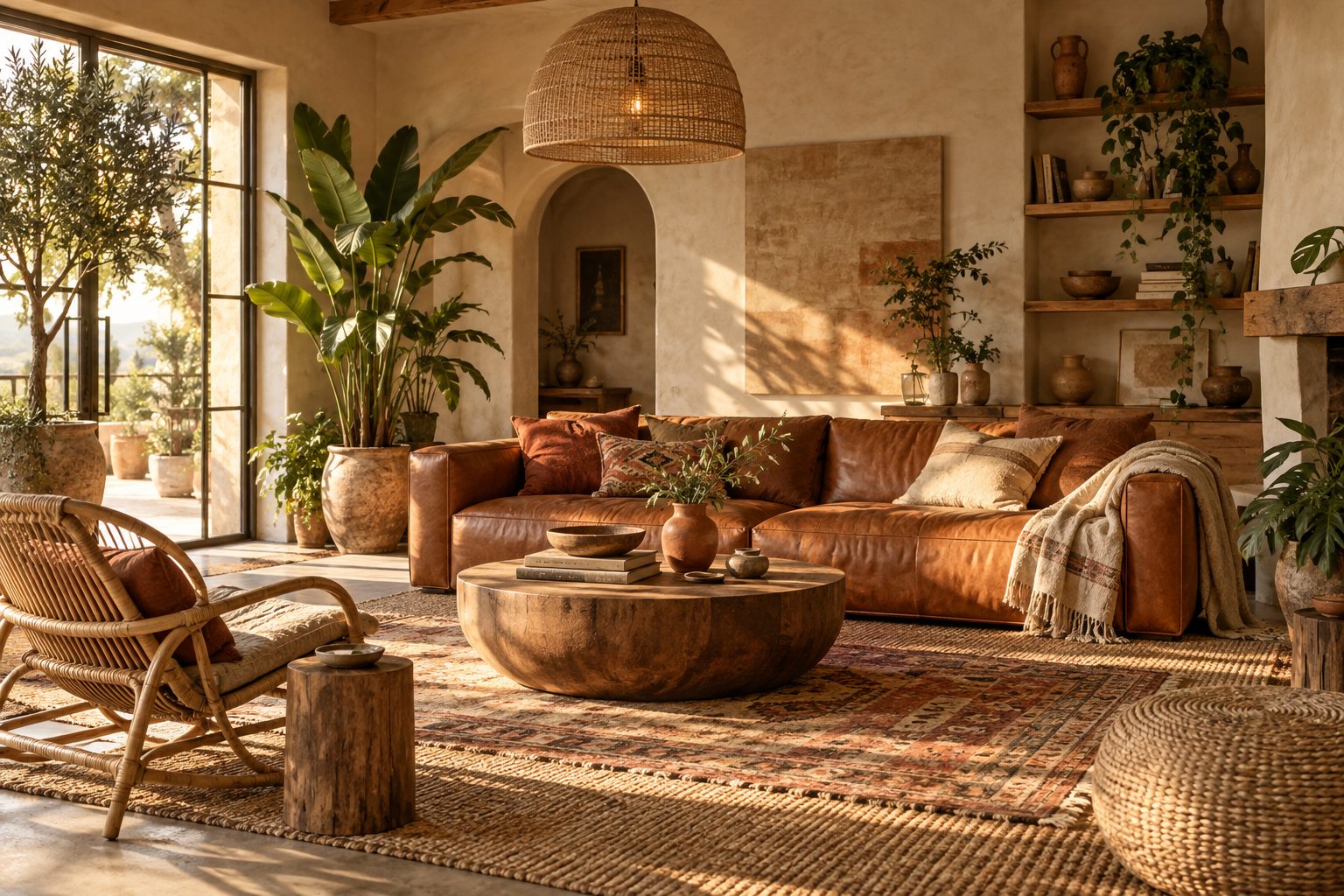
Key takeaways
- Boho interior design is a relaxed, layered style built on natural fibers, handmade and global textiles, plants, low seating and warm earth colors
- Boho colors center on terracotta, rust, ochre, sand, olive and cream, with deeper jewel tones used sparingly as accents
- Modern boho keeps the materials but cuts the quantity: a calm neutral base, one rug, two or three textiles in a room and plenty of empty wall
- Boho is still in style in 2027 in a quieter, earthier form that overlaps with organic modern and wabi-sabi rather than the maximal look of the late 2010s
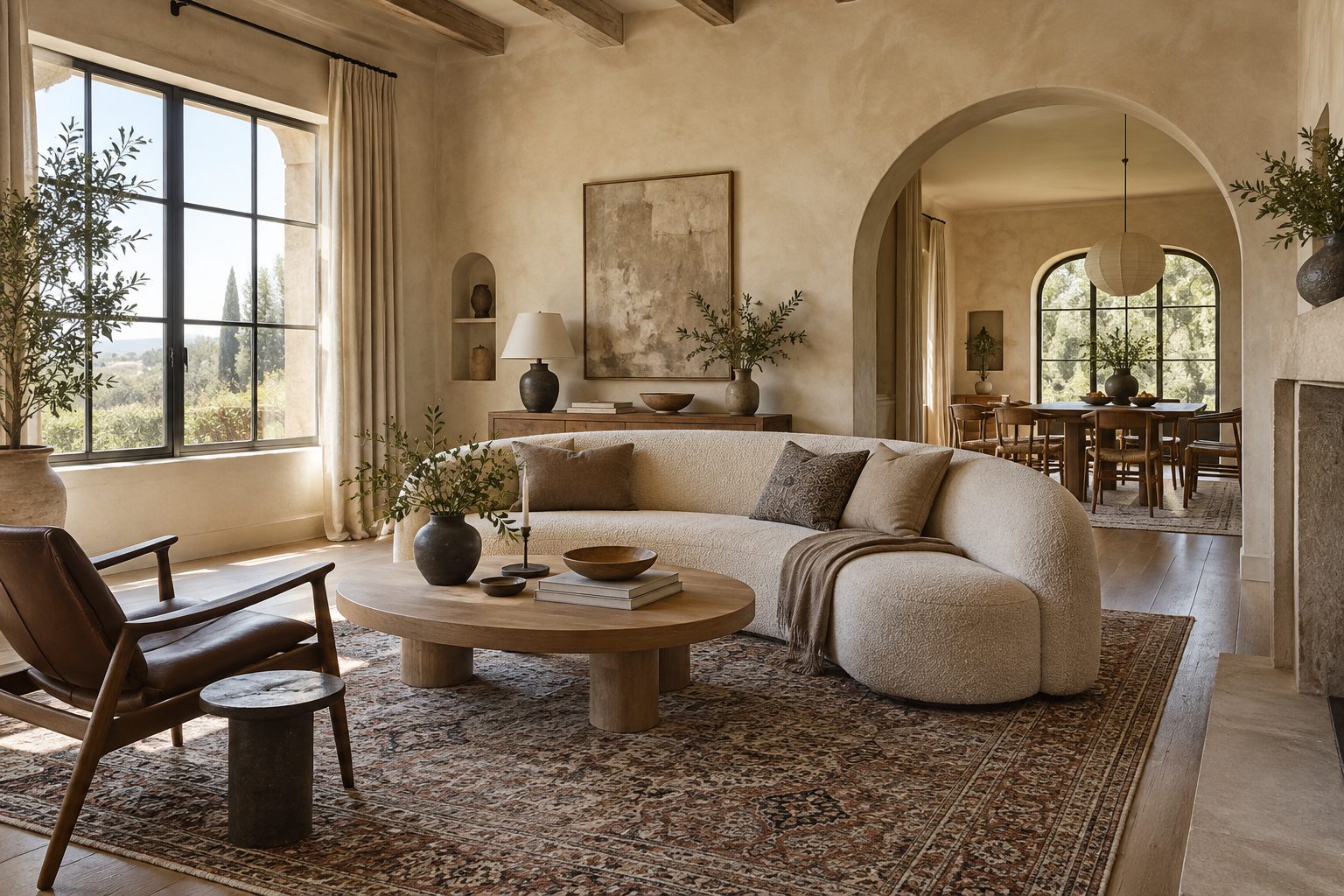
Boho interior design is a relaxed, layered style that mixes natural fibers, handmade and global textiles, plants, vintage furniture and warm earth colors to create rooms that feel collected and personal rather than matched. A boho room typically combines rattan or wood furniture, a jute or wool rug, two or three patterned textiles and several plants on a neutral base of cream, sand or terracotta.
Boho decor is among the most searched decorating styles in the United States, and it has changed a lot in the past decade. The cluttered, macramé-everything look has given way to a calmer modern boho that shares DNA with organic modern design. This article is part of our interior design styles guide and covers what boho is, its colors and materials, ideas for the living room and bedroom, and how to keep it current in 2027.
- Short for: bohemian, a word for an unconventional, artistic way of living that dates from 19th-century Paris.
- Core materials: rattan, cane, jute, sisal, wool, cotton, linen, terracotta, reclaimed wood and brass.
- Palette: terracotta, rust, ochre, sand, olive and cream, with walls usually at LRV 65–85.
- Seating: low and lounge-like, with seat heights of 15–17 in (38–43 cm), floor cushions and poufs.
- Plants: three to six per room in modern boho, in terracotta or woven planters.
What is boho style decor?
Boho style decor is an informal, eclectic way of furnishing a home that layers natural materials, patterned textiles from many cultures, plants and vintage or handmade objects into a warm, lived-in whole. Its defining quality is that nothing looks like it was bought as a set. A boho interior mixes a rattan chair with a vintage wooden chest, a kilim-style rug with a mudcloth-print cushion, and a ceramic lamp beside a trailing plant.
Several features recur across almost every boho home decor scheme:
- Natural texture: woven fibers underfoot, on furniture and on walls, from jute rugs to cane-front cabinets.
- Pattern mixing: geometric, tribal-inspired, block-printed and striped textiles used together within one color family.
- Low living: low sofas, floor cushions, daybeds and poufs that encourage lounging.
- Plants: trailing and sculptural plants in terracotta, ceramic and woven baskets.
- Personal objects: travel finds, handmade ceramics, books and art, displayed rather than stored.
Where did boho interior design come from, and how has it changed?
Boho interior design grew out of the bohemian artists' lifestyle of 19th-century Europe and the travel-influenced, handmade interiors of the 1960s and 1970s, then became a mass decorating trend in the 2010s through social media. Each wave changed the look. The 1970s version was saturated and maximal, with orange, brown, macramé and shag. The 2010s version, often called boho chic interior design, was lighter: white walls, rattan, fiddle-leaf plants, woven wall hangings and pampas grass.
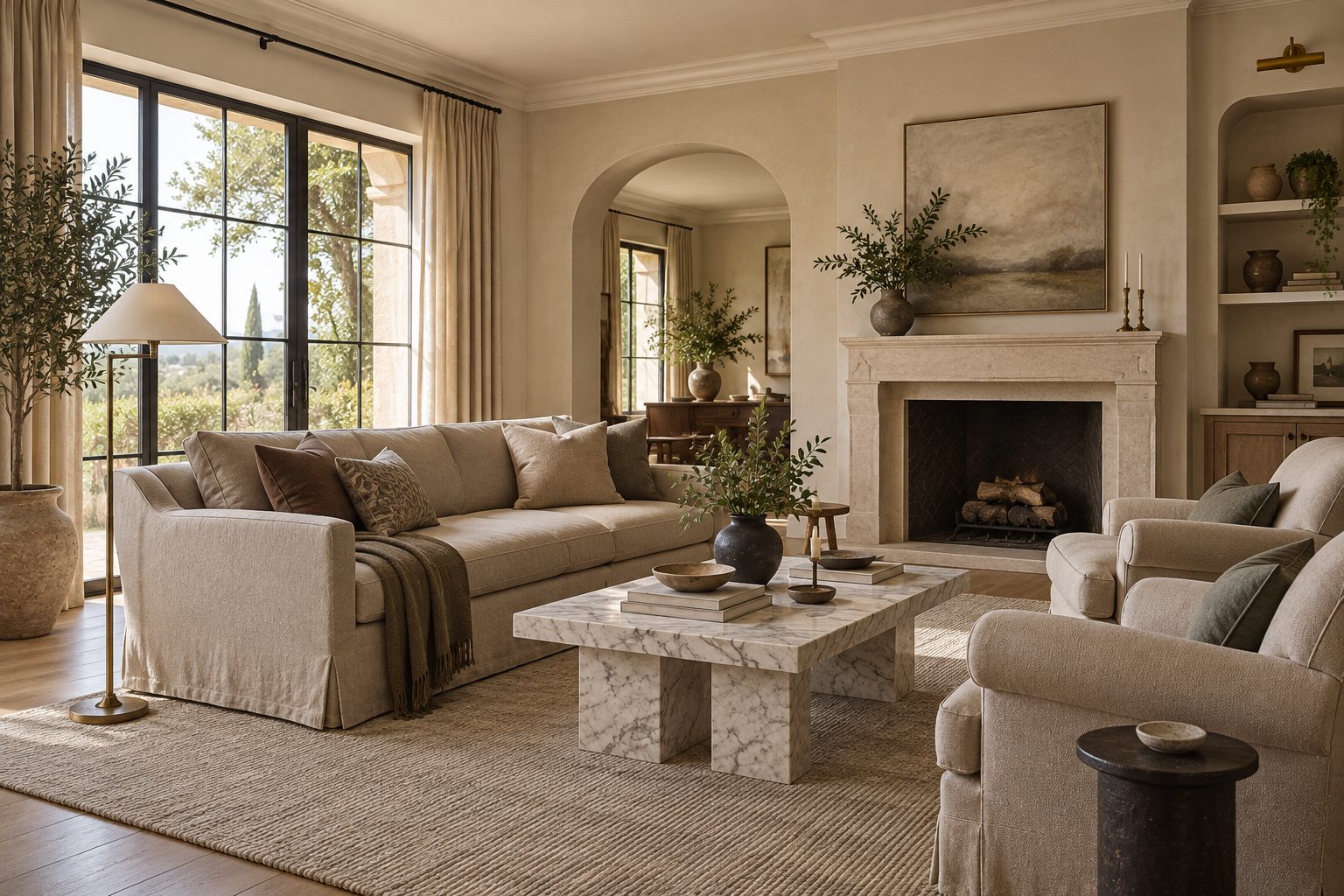
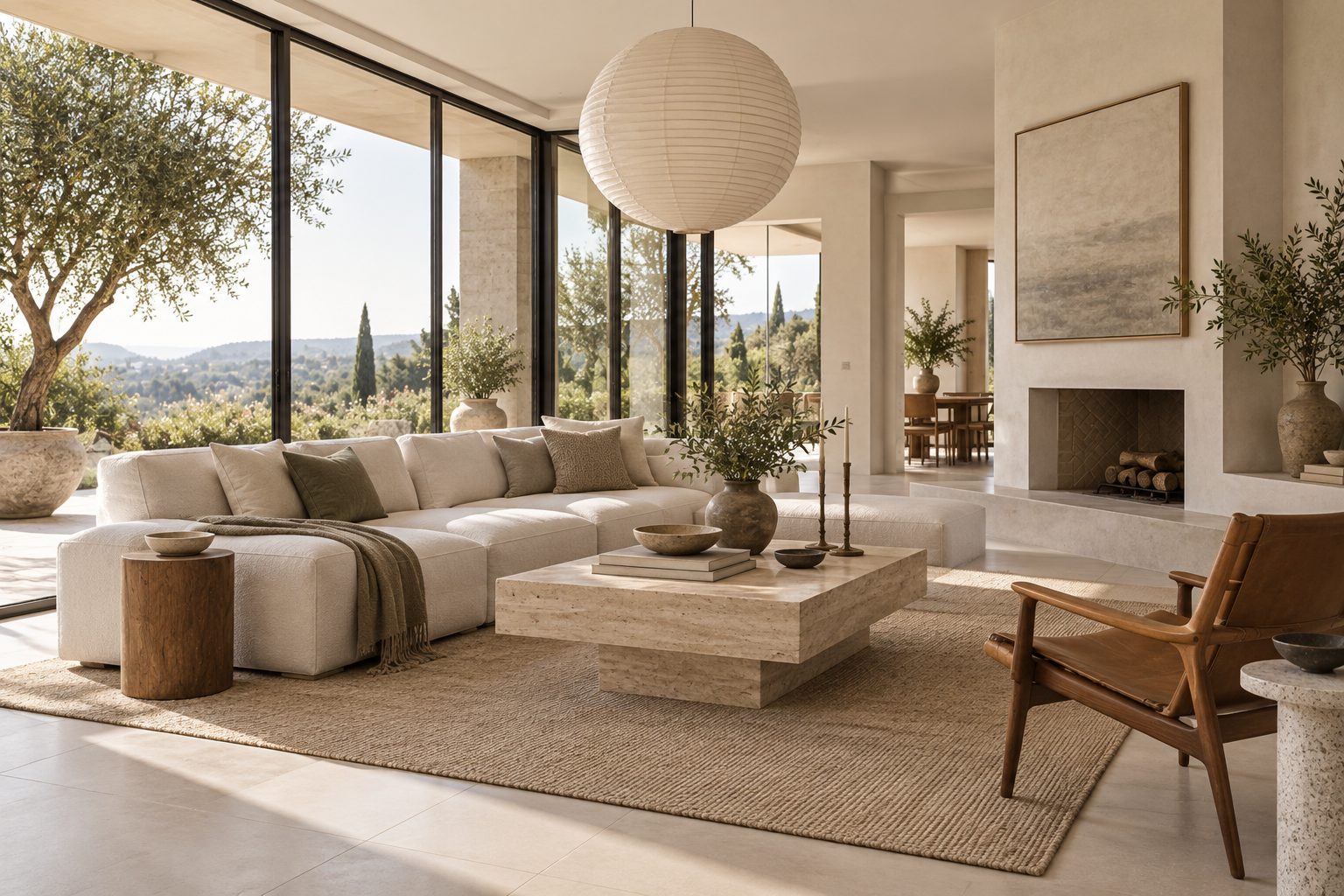
The 2026 to 2027 version is quieter still. Walls are warm rather than stark white, pattern is reduced, wood tones are deeper, and handmade objects carry the personality instead of trend accessories. Boho chic home decor today often blends with organic modern style, sharing its plaster textures, rounded shapes and natural fibers while keeping more pattern and color.
What colors are boho?
Boho colors are warm earth tones, terracotta, rust, ochre, sand, olive and cream, balanced with natural fiber and wood tones, with occasional deep accents of teal, indigo or plum. The base is always warm; cool grays and stark whites work against the materials.
#F0E6D6#D8C3A0#C06A45#A0522D#C4932F#6F7044A reliable proportion is 60 percent warm neutral on walls, floors and large upholstery; 30 percent mid earth tone in rugs, cushions and wood; and 10 percent stronger accent from a textile, a ceramic or art. Walls look best at an LRV of 65–85 in cream, warm white or sand. If you want more color, limewash one wall in terracotta or ochre at LRV 30–45 rather than painting all four, or use a deep olive on a bedroom wall behind the headboard.
Which materials, textiles and furniture define a boho interior?
A boho interior is defined by woven natural materials, handmade and printed textiles, low wood and rattan furniture, and terracotta or ceramic accessories. The table lists the pieces we would source first and the specifications that separate durable versions from disposable ones.
| Element | Material | Spec to look for | Typical size |
|---|---|---|---|
| Area rug | Jute, wool or wool-jute blend; flatweave or kilim-style | Hand-woven, tight weave, wool at 1.5–2.5 kg per m² | 8 × 10 ft (244 × 305 cm) for most living rooms |
| Accent chair | Rattan, cane or peacock-style wicker | Solid rattan core, not plastic wicker, steamed and bent joints | 28–34 in (71–86 cm) wide |
| Sofa | Linen, cotton or bouclé, low profile | Seat height 15–17 in (38–43 cm), 20,000+ Martindale | 80–96 in (203–244 cm) long |
| Floor cushions and poufs | Leather, cotton, wool or jute | Removable covers, firm fill | Pouf 18–22 in (46–56 cm) diameter |
| Throw pillows | Block-printed cotton, mudcloth-style, woven wool | Feather or fiber insert 2 in (5 cm) larger than cover | 18, 20 and 22 in (46, 51, 56 cm) mixed |
| Planters | Unglazed terracotta, woven seagrass baskets | Drainage hole, saucer, liner for baskets | 8–16 in (20–41 cm) diameter |
| Lighting | Rattan, paper, ceramic, brass | Warm 2700K LEDs, diffused shades | Pendant 18–24 in (46–61 cm) wide |
Choose rugs first, because they set the palette for the whole room. Our jute rug guide covers durability and cleaning, and our natural fiber rugs guide compares jute, sisal, seagrass and wool for different rooms.
How do you design a boho living room?
Design a boho living room around a low, comfortable sofa, a large natural-fiber rug, a mix of wood and rattan pieces, layered textiles in one warm color family and a cluster of plants near the light. The goal is a room that invites sitting on the floor as easily as on the sofa.
- Rug: an 8 × 10 ft (244 × 305 cm) jute or wool rug under the whole seating group, optionally layered with a smaller vintage-style rug 5 × 7 ft (152 × 213 cm) on top at an angle.
- Seating: a low linen or bouclé sofa, one rattan or cane accent chair and two poufs or floor cushions instead of a second armchair.
- Tables: a round reclaimed-wood or carved coffee table 32–40 in (81–102 cm) across, with a small stool or drum as a side table.
- Walls: one large textile or woven wall piece, or a loose grouping of framed prints and a mirror; leave at least one wall plain.
- Plants: one tall floor plant 4–6 ft (122–183 cm) in a basket near the window, plus two or three smaller trailing plants on shelves.
A modern boho living room keeps this structure but narrows the palette to cream, sand and one earth tone, uses solid textiles for most surfaces and only one patterned rug or throw as the hero.
How do you style a boho bedroom?
A boho bedroom works best with a low platform or rattan bed, layered linen and cotton bedding in warm neutrals, a natural-fiber rug and soft, low lighting. It should feel like a retreat, so keep floor space clear and let textiles do the decorating.
- Bed: a low wood platform bed or a cane-headboard bed, with the mattress top at 18–22 in (46–56 cm). Headboards 40–50 in (102–127 cm) tall suit 8 ft (2.4 m) ceilings.
- Bedding: stonewashed linen sheets, a cotton or block-printed quilt and a chunky knit or tasseled throw, in two or three tones.
- Rug: a jute or wool rug extending 18–24 in (46–61 cm) beyond each side of the bed.
- Lighting: rattan or paper pendants over the nightstands, hung 20–24 in (51–61 cm) above the surface, or ceramic table lamps at 2700K.
- Extras: a woven bench at the foot of the bed, a trailing plant and a single macramé or textile piece, not five.
Boho chic bedroom schemes look softer with a canopy of sheer cotton or linen hung from a ceiling hoop, but skip it in rooms under 120 sq ft (11 m²), where it crowds the bed.
The most common mistake in a boho style bedroom is treating every wall and surface as display space. Good boho bedroom decor puts its energy into the bed and one wall, then keeps the rest calm: a plain painted or limewashed wall opposite the bed, closed storage for clothes, and nightstands with only a lamp, a book and a small plant. If you share the room, mirror the two sides of the bed in size even when the pieces differ; a rattan side table on one side and a small wooden stool on the other still read as balanced when their heights match within 2 in (5 cm). This is also the room where boho style home decor benefits most from washable natural fabrics, because cotton and linen bedding softens with every wash and looks better in year three than on day one.
How do you make boho decor look modern and not cluttered?
To make boho decor look modern and not cluttered, start from a calm neutral base, limit the number of patterns and objects, and group what you keep so every piece has room around it. Modern boho is about curation, not accumulation. These are the seven rules we use:
- Set a neutral shell. Warm white or sand walls, a light wood or stone floor and a solid-color sofa give the eye a place to rest.
- Pick one hero pattern. A kilim-style rug or a block-printed throw leads; other textiles stay plain or small-scale.
- Stay within one color family. Choose terracotta-rust or olive-ochre and keep every textile within it.
- Cap textiles at three per surface. Two or three cushions on a sofa, one throw, not seven.
- Group objects in odd numbers. Clusters of three or five on a shelf or tray read as intentional; scattered singles read as clutter.
- Leave negative space. Keep at least one wall and one surface per room empty.
- Use closed storage. Cane-front cabinets and lidded baskets hide the everyday mess that makes boho look chaotic.
Terracotta and woven planters are an easy way to add warmth without visual noise; our terracotta pots guide covers sizes and finishes.
Is boho still in style in 2027?
Yes, boho is still in style in 2027, but in a quieter, earthier and more grown-up form: fewer accessories, deeper wood tones, warm plaster walls and handmade pieces instead of trend items. The version that has dated is the white-walled 2010s boho of pampas grass, word signs, fiddle-leaf figs and identical macramé.
Our verdict is that bohemian decor survives because its core idea, a home filled with natural materials and personal, handmade things, fits where interiors are heading. In 2027 we would build a boho interior on limewashed sand or cream walls, an oak or terracotta floor, one large hand-woven rug and a low linen sofa, then add one rattan chair, a few good ceramics, a block-printed quilt or throw and plants in unglazed terracotta. We would skip anything that looks mass-produced to imitate handmade, because that is what makes boho look cheap. Done this way, boho sits comfortably beside organic modern and wabi-sabi and should age well for years.
Need hand-loomed rugs, block-printed cushions or linen bedding for a boho scheme? Share your sizes, colors and quantities with our textile sourcing desk and we will return quotes from vetted weaving and printing workshops.
Free toolRug Size CalculatorFind the right rug size for your room and furniture.Shop & source the look
Buy it today — or have it made
Retail links are affiliate links: we may earn a commission at no extra cost to you (disclosure). “Get it made” sends the item to our sourcing desk for factory quotes in custom sizes and finishes.
Frequently asked questions
What is boho style decor?
Boho style decor is a relaxed, eclectic way of decorating that layers natural fibers such as rattan and jute, handmade and global-inspired textiles, plants, vintage furniture and warm earth colors. Rooms feel collected and personal rather than matched, with low seating, mixed patterns in one color family and handmade objects on display.
How do you make boho decor look modern and not cluttered?
Start with warm white or sand walls and a solid-color sofa, choose one hero pattern such as a kilim-style rug, and keep every textile within one color family. Limit cushions to two or three per sofa, group objects in threes or fives, leave one wall and one surface empty and use closed cane or basket storage.
What colors are boho?
Boho colors are warm earth tones: terracotta, rust, ochre, sand, olive and cream, combined with natural wood and fiber tones. Deeper accents such as teal, indigo or plum appear in small doses. A good balance is 60 percent warm neutral, 30 percent mid earth tone and 10 percent stronger accent.
Is boho still in style in 2027?
Yes. Boho remains in style in 2027 in a calmer, earthier form with warm plaster walls, deeper wood tones, fewer accessories and genuinely handmade textiles and ceramics. The white-walled 2010s version with pampas grass, word signs and identical macramé has dated, and modern boho now overlaps with organic modern and wabi-sabi design.
Some links may be affiliate links. Regulations and specifications change — always confirm with suppliers and qualified professionals.