Eggshell vs Satin Paint: Which Finish for Walls, Baths and Trim
Eggshell vs satin comes down to sheen and scrubbability: eggshell reflects about 10–25 percent of light and hides wall flaws, satin about 25–40 percent and wipes clean more easily. Here is where to use each.
Part of our guide: Interior House Paint Sheen Guide: Flat, Matte, Eggshell to Gloss
Key takeaways
- Eggshell is a low-luster finish of roughly 10–25 gloss units; satin is a soft sheen of roughly 25–40, so satin looks shinier and shows more wall flaws
- Use eggshell for living rooms, bedrooms, dining rooms and hallways in adult homes; use satin for kitchens, kids' rooms, laundry rooms and well-ventilated bathrooms
- Satin is more washable than eggshell, but semi-gloss is still the better choice for trim, doors and steamy bathrooms
- Sheen names are not standardized, so compare gloss readings and test a sample board before buying gallons
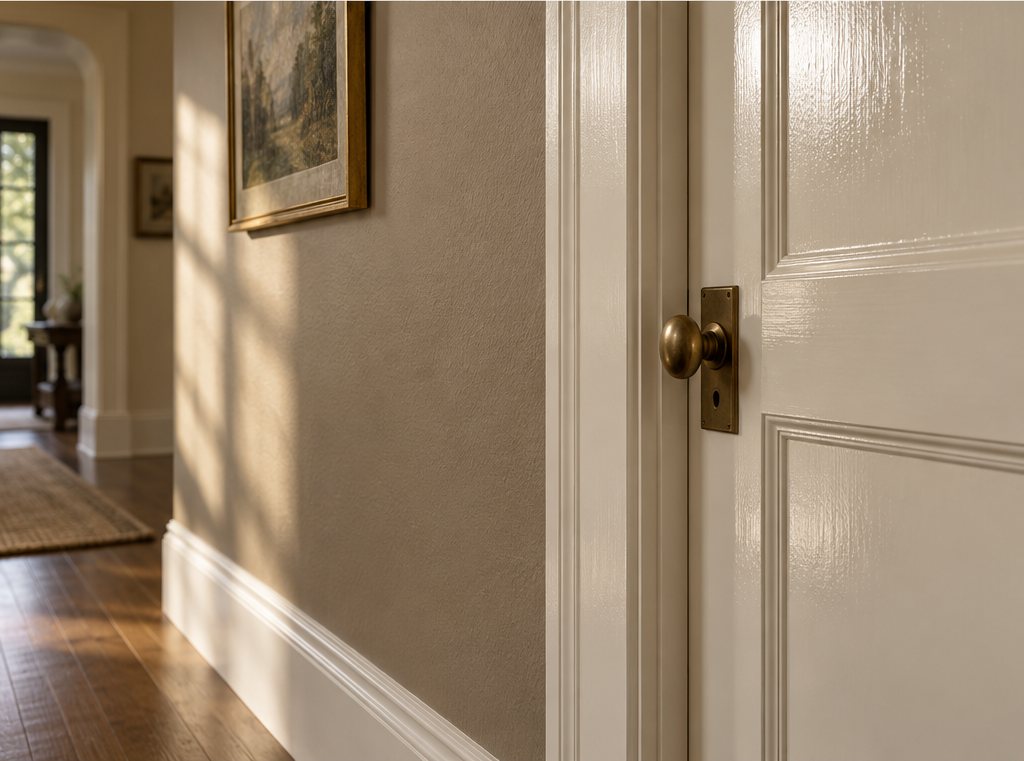
Eggshell vs satin is a question of how much shine and washability you want. Eggshell is a low-luster finish of roughly 10–25 gloss units that hides wall imperfections and suits living rooms and bedrooms. Satin sits at roughly 25–40 gloss units, looks visibly silkier and wipes clean more easily, so it suits kitchens, kids' rooms and bathrooms.
- Shine: satin reflects noticeably more light than eggshell; the difference is obvious at a low angle.
- Hiding flaws: eggshell hides patches, dents and roller marks better.
- Cleaning: satin tolerates scrubbing and grease better; eggshell is wipeable but less tough.
- Touch-ups: eggshell touches up more invisibly; satin often flashes when spot-repaired.
- Price: usually the same per gallon within one paint line, or within a few dollars.
This is the most common sheen decision in any home, and it sits inside the wider choices covered in our paint sheen guide, which runs from dead flat to high gloss.
Eggshell vs satin: what is the difference?
The difference between eggshell and satin is the amount of light the dried paint reflects: satin has more resin at the surface, so it is shinier, harder and more washable, while eggshell is flatter and more forgiving. Paint makers measure this with a gloss meter at a 60° angle, in gloss units.
Sheen names are not standardized across the industry. One maker's eggshell can be close to another's satin, and some lines add pearl or velvet in between. The bands below are typical, not fixed, so always compare samples from the same line.
| Paint sheen | Typical gloss units (60°) | Hides flaws | Washability | Best for |
|---|---|---|---|---|
| Flat / matte | 0–10 | Best | Low to moderate | Ceilings, low-traffic walls |
| Eggshell | 10–25 | Very good | Moderate | Living rooms, bedrooms, halls |
| Satin / pearl | 25–40 | Fair | Good | Kitchens, baths, kids' rooms |
| Semi-gloss | 40–70 | Poor | Very good | Trim, doors, cabinets, wet rooms |
| Gloss / high gloss | 70+ | Very poor | Excellent | Doors, furniture, accent trim |
The gloss bands are approximate industry ranges for 2026 architectural paints; check the product data sheet, which usually lists the gloss reading for each sheen.
Paint sheens explained: the main paint finishes
Paint finishes run on a single scale from flat to high gloss, and each step up adds shine, hardness and washability while making surface flaws more visible. The five paint finish types most people choose between are flat, eggshell, satin, semi-gloss and gloss.
Is pearl a paint finish?
Yes, pearl is a paint finish, but it is a brand-level name rather than an industry standard. In most lines pearl sits between eggshell and satin, or is simply that line's name for satin. Ask for the gloss reading rather than relying on the label.
What does satin mean in paint?
In paint, satin means a soft, velvety sheen with a gentle glow, shinier than eggshell and flatter than semi-gloss. It looks like satin fabric in raking light, hence the name, and it is the most common choice for kitchens and bathrooms.
When should you use eggshell paint?
Use eggshell paint on walls in living rooms, bedrooms, dining rooms and adult hallways, where you want a soft, almost matte look that can still be wiped. It is the default eggshell finish for whole-house repaints because it balances looks and practicality.
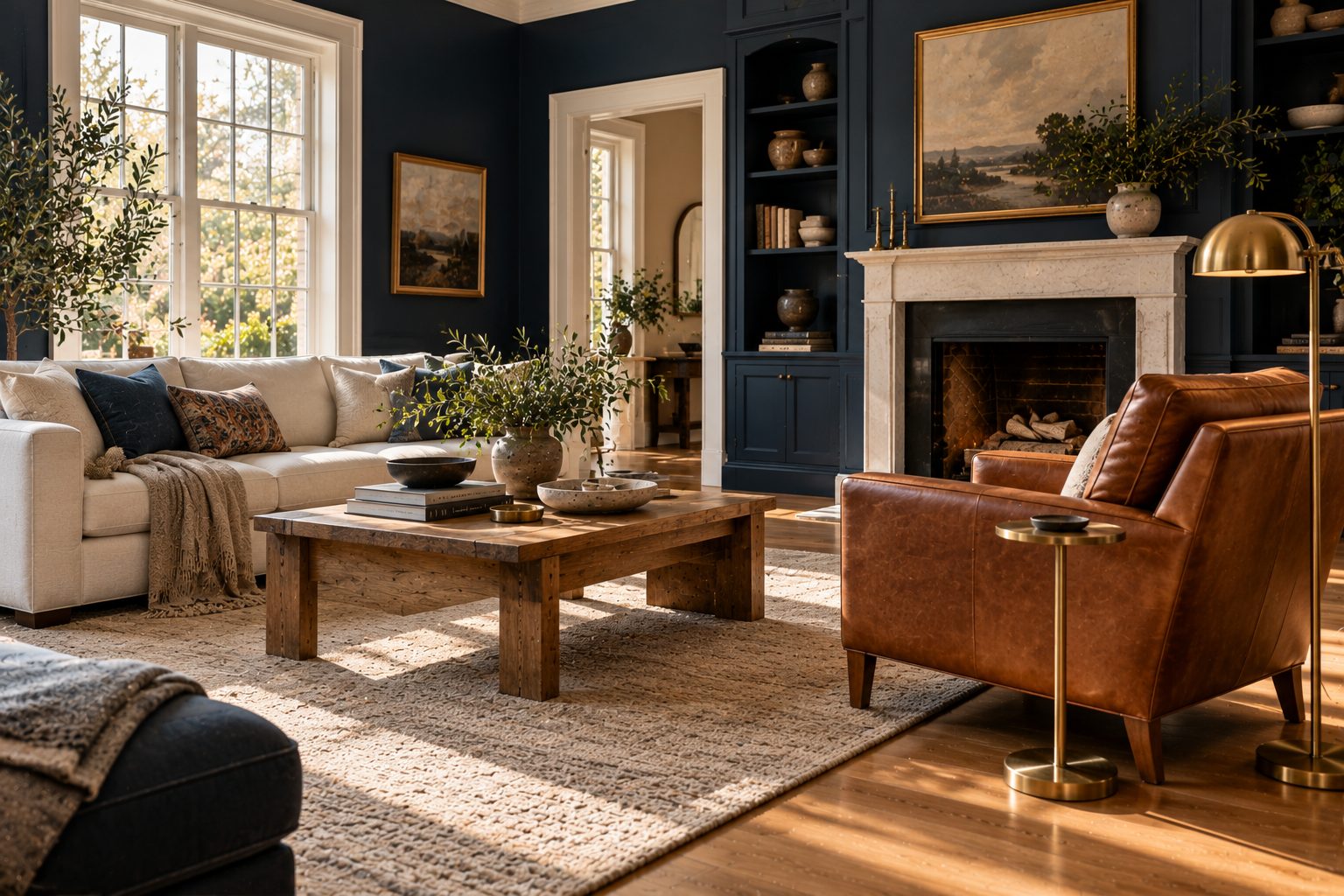
Eggshell paint in a living room is our first choice: it hides the small dents, patched nail holes and slight waves in drywall that raking light from a big window exposes, and it makes deep colors look rich rather than plastic. In older houses with imperfect plaster, it is close to essential.
Eggshell vs flat paint
Choose eggshell over flat paint for any wall that will be touched or cleaned. Flat hides even more, and suits ceilings and formal rooms, but standard flat marks and burnishes when wiped. Modern scrubbable matte paints narrow the gap; if you prefer a completely flat look in a busy room, buy a washable matte rather than a basic flat.
When should you use satin paint?
Use satin paint where walls get wet, greasy or handled: kitchens, bathrooms, laundry rooms, mudrooms and children's bedrooms. What is satin paint used for, beyond walls? Kitchen cabinets, interior doors and trim in homes that want less shine than semi-gloss.
Is satin paint washable?
Satin paint is washable, and generally more so than eggshell, because its tighter, more resin-rich surface resists stains and repeated scrubbing. Clean it with a soft sponge and mild soapy water; avoid abrasive pads, which can polish dull spots into the sheen.
Satin paint on walls: the downside
Satin paint on walls shows every flaw in the substrate. Roller lap marks, patches and uneven drywall all catch the light, and touch-ups often flash as shinier or duller patches. Before choosing satin finish paint for a large wall, make sure the surface is smooth and primed, and plan to repaint wall to wall rather than spot-repair.
What sheen for bathroom walls, kitchens and living rooms?
The right sheen depends on moisture, traffic and how smooth the walls are: eggshell for dry living spaces, satin for kitchens and family bathrooms, semi-gloss for trim and steam-heavy bathrooms. This is the room-by-room guide we use for clients.
| Room or surface | Our first choice | Alternative | Why |
|---|---|---|---|
| Living room walls | Eggshell | Scrubbable matte | Hides flaws in side light |
| Bedroom walls | Eggshell | Matte | Calm, low reflection |
| Dining room walls | Eggshell | Satin for deep colors | Rich color without glare |
| Kitchen walls | Satin | Eggshell, scrubbable | Grease and splashes |
| Bathroom walls, with fan | Satin | Semi-gloss | Humidity and wiping |
| Bathroom walls, no fan or shower-heavy | Semi-gloss | Satin with mildewcide | Sheds condensation |
| Hallways and stairs | Eggshell or satin | Scrubbable matte | Hands, bags and scuffs |
| Kids' rooms and playrooms | Satin | Scrubbable eggshell | Frequent cleaning |
| Trim, baseboards, doors | Semi-gloss | Satin | Impact and cleaning |
| Ceilings | Flat | Matte | Hides joints and glare |
So what sheen for living room walls? Eggshell, in almost every case. What paint finish for a living room with young children? Scrubbable eggshell or satin. For bathroom colors that suit these sheens, see our bathroom paint colors guide.
Satin vs semi-gloss and eggshell vs flat: the neighbors
Semi-gloss is shinier than satin, roughly 40–70 gloss units against 25–40, and is the better pick for trim, doors and the wettest walls. Satin vs semi gloss is mostly a trim question: semi-gloss is tougher and more traditional; satin looks softer and more contemporary and shows fewer brush marks.
- Is satin or semi-gloss shinier? Semi-gloss, clearly; it reads as a reflective, almost wet surface.
- Trim: semi-gloss in busy family homes; satin where you want a quieter, modern finish.
- Cabinets: satin or semi-gloss in a hard enamel; see our best paint for cabinets guide.
- Walls: semi-gloss is too shiny for most living spaces and exaggerates every flaw.
Eggshell color vs eggshell finish
Eggshell color and eggshell finish are different things: eggshell finish is a sheen, while eggshell color is a pale, warm off-white with a hint of cream or beige. Searches for eggshell paint color and eggshell white paint usually mean the color, and it can be bought in any sheen.
#F0EADC#EAE2CF#E3DCCB#D9D2C1White eggshell color typically has an LRV of about 80–88, warm enough to flatter wood floors and skin tones but light enough to keep rooms bright. Hex values are screen approximations. For more options, see our warm white paint colors guide.
How to paint eggshell and satin for an even finish
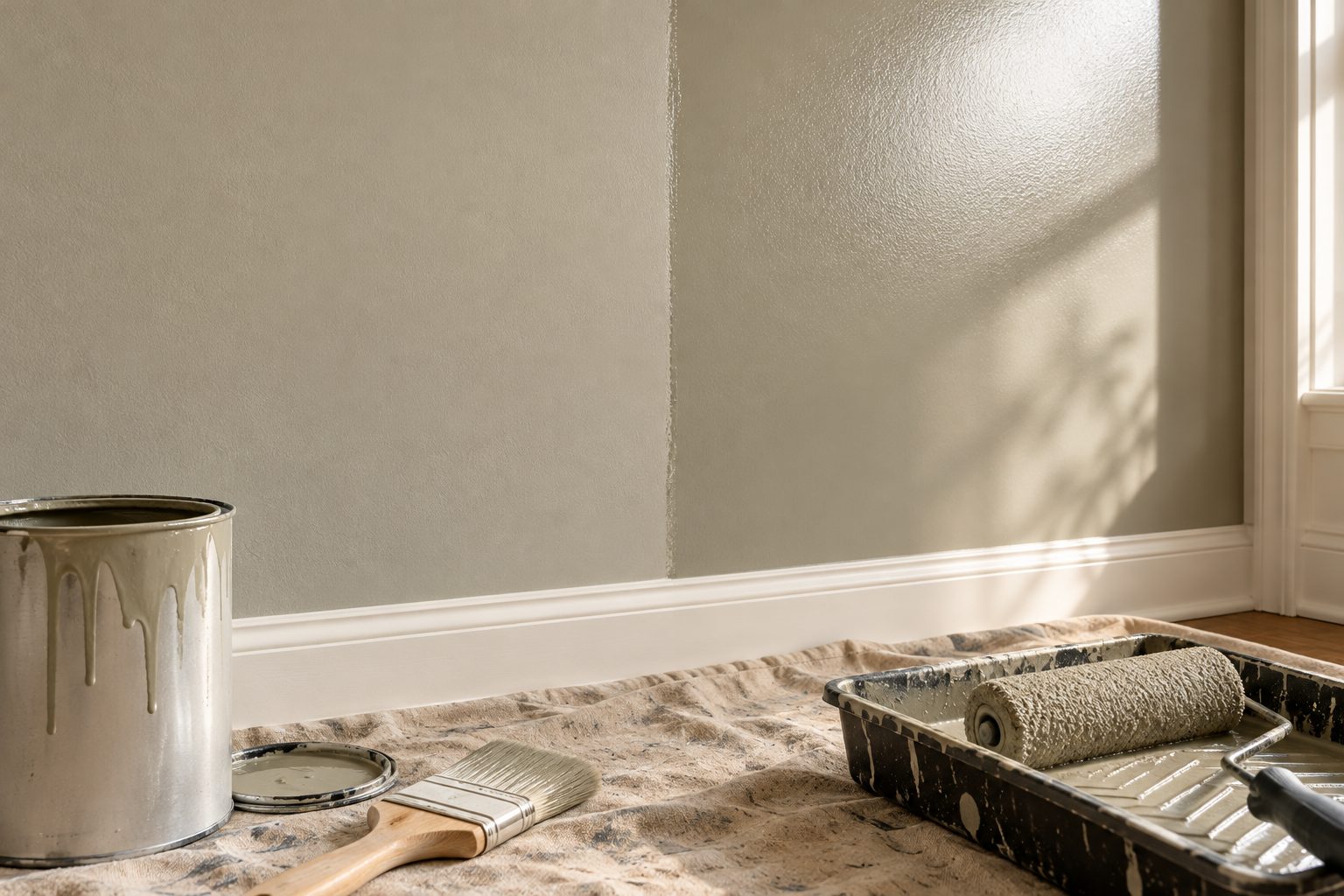
Eggshell and satin both look best when rolled in full, continuous wall sections with a wet edge, because higher sheens reveal every overlap, patch and change in roller pressure. Satin is less forgiving than eggshell here, so preparation decides whether it looks silky or streaky.
- Prime patches. Spot-prime filled holes and drywall repairs, or they will flash as dull spots through satin finish paint.
- Use the right roller. A 3/8 in (10 mm) microfiber or woven nap on smooth walls gives the tightest texture; thicker naps leave an orange-peel stipple that catches light.
- Cut in and roll together. Cut in one wall at a time and roll it immediately, so brushed edges and rolled areas dry at the same rate.
- Finish in one direction. Lay the paint on, then make a final light floor-to-ceiling pass across the whole width of the wall.
- Stop at corners. Never stop halfway across a wall; finish at an inside corner, door or window.
Both sheens need about the same quantity: roughly 350–400 sq ft (33–37 m²) per gallon per coat on smooth walls, two coats as standard. Our how much paint do I need guide turns room sizes into gallons. Allow 2–4 hours between coats and about two weeks before scrubbing a freshly painted satin or eggshell wall, because acrylic paint keeps hardening long after it is dry to the touch.
Lighting changes the result too. Wall-washing downlights and grazing sconces exaggerate sheen, and a satin wall lit from directly above shows every ripple. In rooms with strong side light or grazing fixtures, step down one sheen from what the room would otherwise need.
Types of paint beyond sheen
Sheen is only half the choice; the types of paint — the binder and base — decide durability, odor and how the finish ages. These are the different kinds of paint you will meet for interiors:
- Acrylic latex: water-based, low odor, flexible; the default for walls in every sheen.
- Waterborne alkyd and urethane-modified acrylic: harder, self-leveling enamels for trim, doors and cabinets.
- Oil-based alkyd: very hard and smooth, but slow-drying, high-odor and yellows over time; now mostly for specialist work.
- Mineral, lime and chalk paints: very flat, breathable finishes for plaster and furniture.
How to choose the right paint finish: our verdict
Choose the lowest sheen that will survive the room's cleaning needs, because a lower sheen always looks better on walls. This is the order we work through:
- Check the wall surface. Rough, patched or old walls push you toward eggshell or matte.
- Assess moisture. Steam and splashes push you toward satin or semi-gloss.
- Assess traffic. Kids, pets and hallways push you toward satin or scrubbable eggshell.
- Consider the light. Large windows and low-angle sun exaggerate sheen.
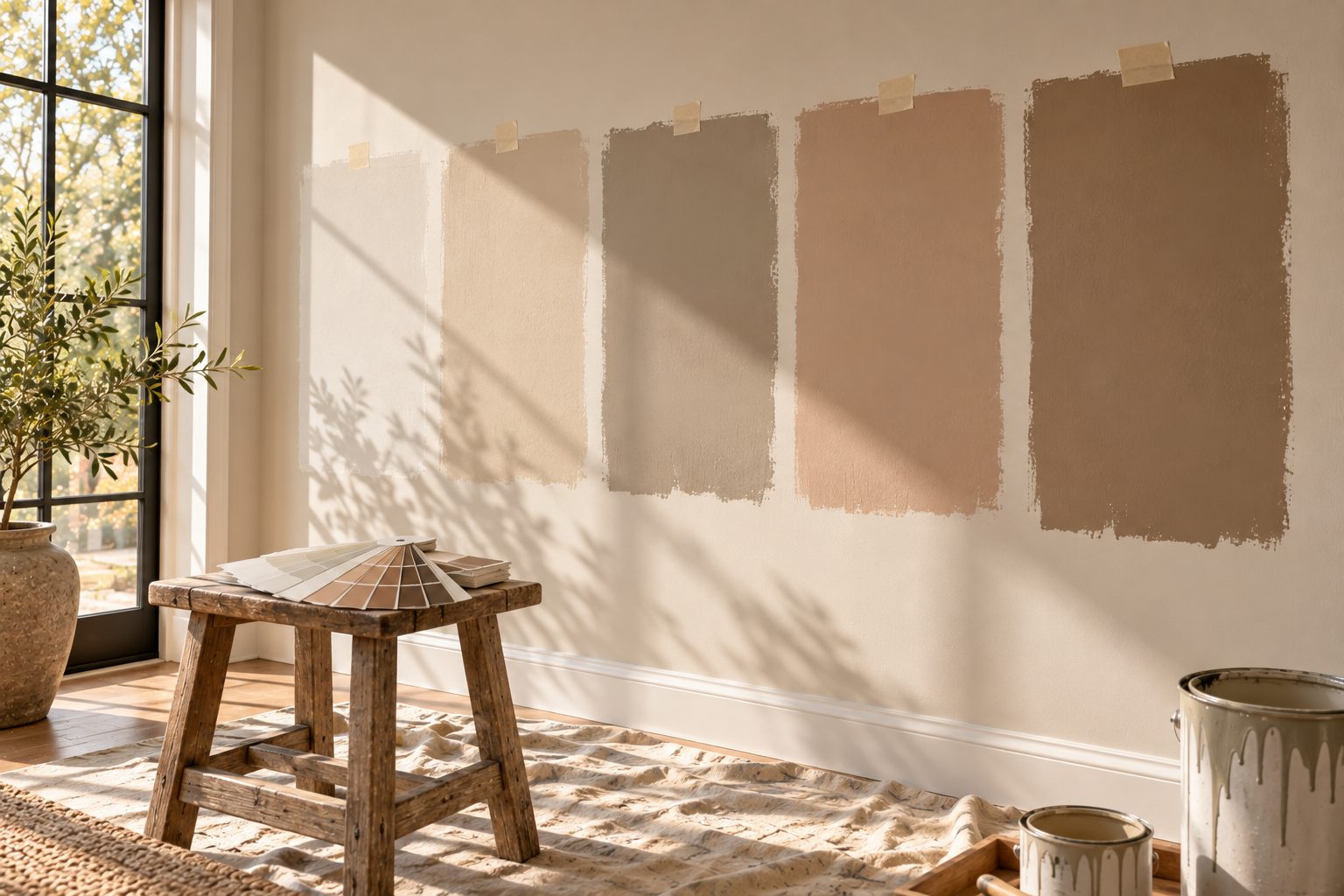
- Test two sheens side by side. Paint sample boards in eggshell and satin and view them in morning and evening light.
- Keep sheens consistent. One wall sheen throughout the living areas and one trim sheen makes a house feel finished.
Our verdict on eggshell vs satin: eggshell for living spaces, satin for working spaces. The mistake we see most is satin on the walls of an open-plan living room with big windows, where every roller line shows at sunset.
Once you have picked a sheen, work out how many gallons you need for walls and trim with our free paint calculator.
Free toolPaint CalculatorWork out exactly how much paint to buy.Shop & source the look
Buy it today — or have it made
Retail links are affiliate links: we may earn a commission at no extra cost to you (disclosure). “Get it made” sends the item to our sourcing desk for factory quotes in custom sizes and finishes.
Frequently asked questions
Is eggshell or satin better for walls?
Eggshell is better for most walls in living rooms, bedrooms and dining rooms because it hides imperfections and gives a soft, low-luster look. Satin is better for kitchens, bathrooms, laundry rooms and children's rooms, where walls need frequent wiping. If your walls are uneven or patched, choose eggshell; satin highlights every flaw.
What sheen is best for bathroom walls?
Satin is the best sheen for most bathroom walls with a working exhaust fan, because it resists humidity and wipes clean. For small bathrooms with heavy showers and poor ventilation, use semi-gloss or a satin bath paint with added mildewcide. Avoid flat paint in bathrooms unless it is a specialist moisture-resistant matte.
Is satin or semi-gloss shinier?
Semi-gloss is shinier than satin. Satin typically measures about 25–40 gloss units and has a soft glow, while semi-gloss measures about 40–70 and looks noticeably reflective. Semi-gloss is tougher and suits trim, doors and wet areas; satin is softer-looking and suits walls in kitchens, bathrooms and kids' rooms.
What paint finish is best for a living room?
Eggshell is the best paint finish for most living rooms. It is low-sheen enough to hide drywall flaws and look rich in deep colors, but durable enough to be wiped. For homes with young children or pets, choose a scrubbable eggshell or satin. Use flat on the ceiling and semi-gloss or satin on the trim.
Can you put satin paint over eggshell?
Yes, you can paint satin over eggshell without special preparation, as long as the wall is clean and the old paint is sound. Lightly scuff any glossy patches, wash off grease, and apply two coats so the new sheen is even. Going from satin to eggshell works the same way; sheen is set by the topcoat.
Some links may be affiliate links. Regulations and specifications change — always confirm with suppliers and qualified professionals.