Virtual Interior Design: How It Works, What It Costs, Is It Worth It
Virtual interior design typically costs $100–$1,500 per room and delivers a layout, a mood board and a shoppable product list by video call and email. Here is how it works, what to send and when it is worth paying for.
Part of our guide: How Much Does an Interior Designer Cost? 2026 Fees and Rates
Key takeaways
- Virtual interior design is a remote service that delivers a floor plan, concept board and shopping list, typically $100–$1,500 per room in the US
- It works best for furnishing and decorating one to three rooms; structural changes, kitchens and baths still need someone on site
- Your measurements and photos decide the quality of the result, so send a dimensioned sketch, ceiling height and window positions
- Ask how many revision rounds are included and whether the shopping list is locked to particular suppliers before you pay
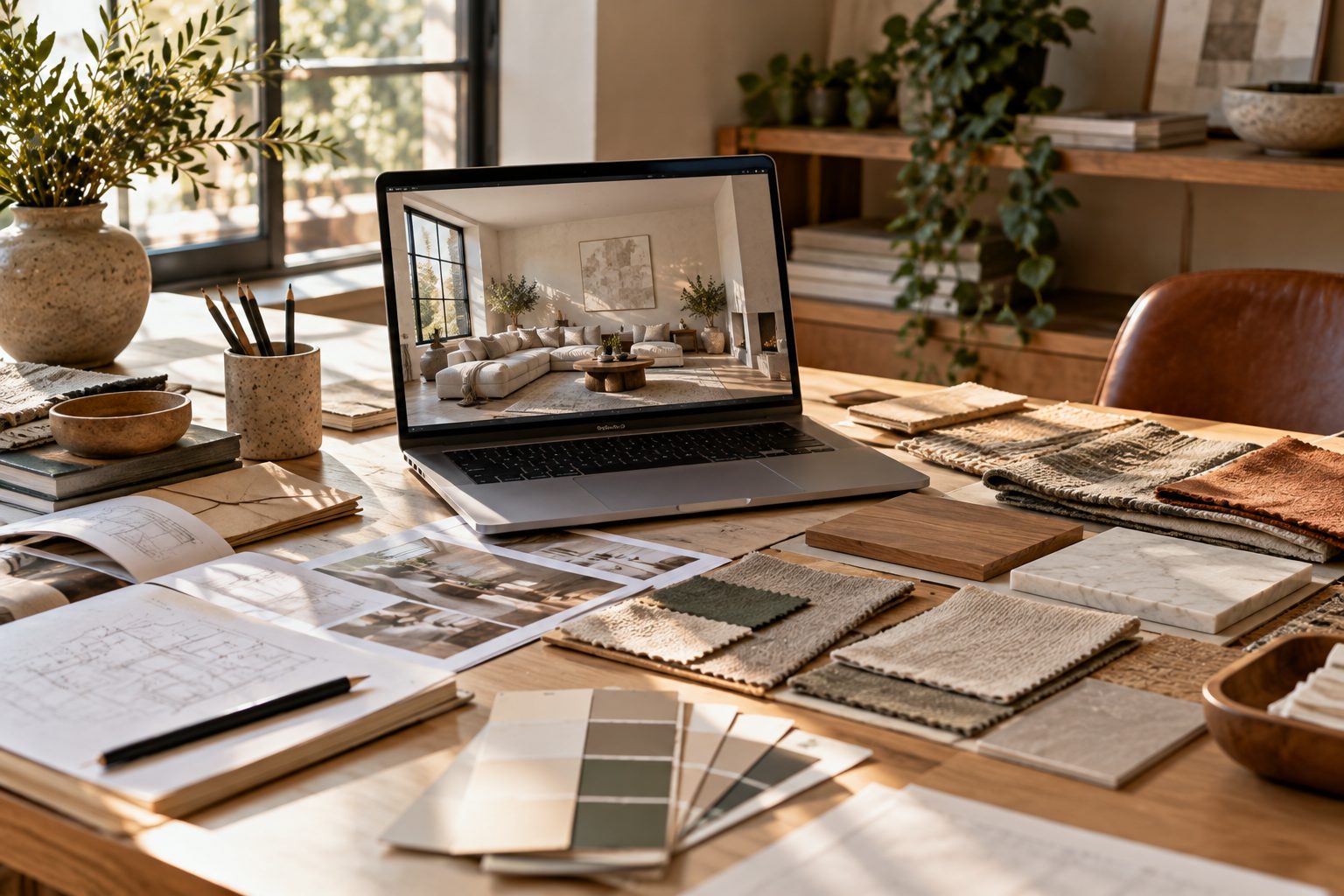
Virtual interior design is a remote design service: you send room measurements and photos, a designer returns a scaled floor plan, a concept board and a shoppable product list, usually within two to six weeks. Typical US fees run $100–$1,500 per room in 2026, against $5,000 or more for a full in-person project, which makes it the cheapest form of professional interior design help for furnishing and decorating.
Online interior design has matured from a novelty into a standard tier of interior design services, and most studios now offer it alongside full service. If you are weighing it against hiring someone locally, our interior designer cost guide covers hourly rates, flat fees and percentage-of-budget pricing for in-person work, so you can compare like for like.
- Typical fee: $100–$500 per room for a decorating package, $500–$1,500 per room for full design with lighting and custom pieces (typical US 2026 ranges).
- Turnaround: 2–6 weeks from intake to final plan, depending on revision rounds.
- Deliverables: floor plan, mood board, product list, often a 3D render and a paint schedule.
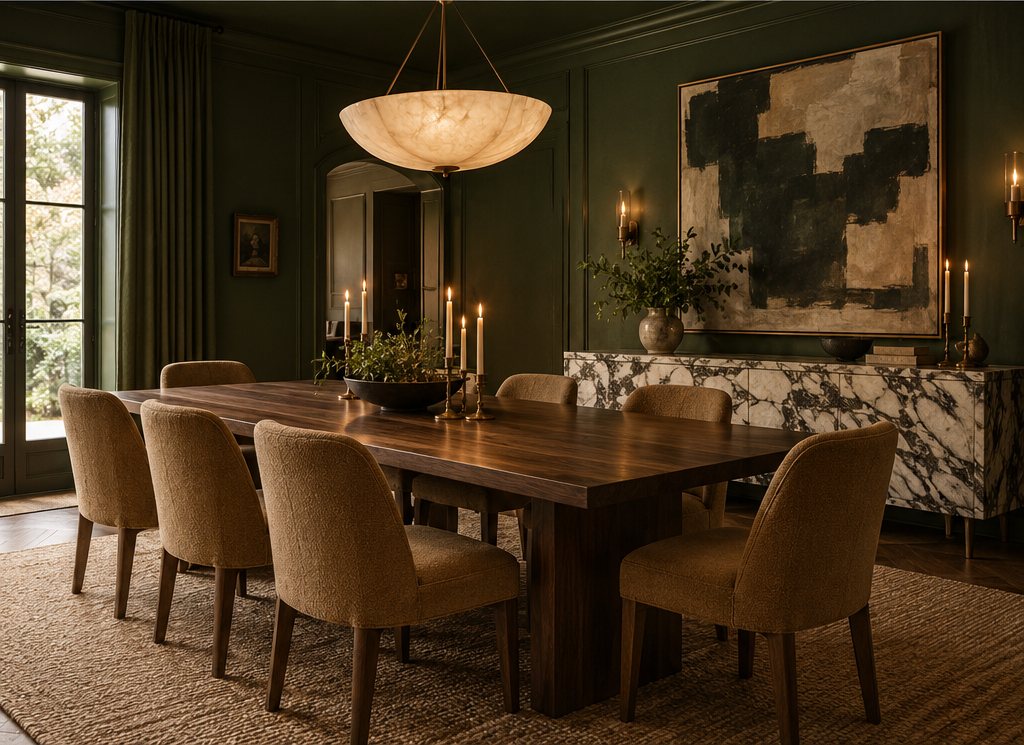
- Best for: furnishing, decorating and refreshing living rooms, bedrooms, home offices and dining rooms.
- Not for: moving walls, plumbing, electrical relocation or anything that needs a permit.
What is virtual interior design?
Virtual interior design is professional room design delivered entirely by video call, email and shared files, with the client doing the measuring, buying and installing. The designer never visits; instead, your photos, measurements and a style questionnaire stand in for the site visit.
The terms overlap. A virtual interior decorator usually focuses on furniture, color, textiles and accessories, while a designer working online may also handle lighting layouts, built-in joinery drawings and finish schedules. Online interior decorating services sit at the lighter end; virtual design services from architecture-trained studios sit at the heavier end. In both cases you, not the studio, place the orders, so the fee covers ideas and planning rather than project management.
How does online interior design work, step by step?
Online interior design follows the same sequence at almost every studio: intake, concept, revisions, final plan and a shopping list you buy from yourself. This is the process we run for our own remote clients.
- Intake questionnaire. Budget, who uses the room, pieces you are keeping, colors you love and hate. A style quiz helps here; ours is at our free style quiz.
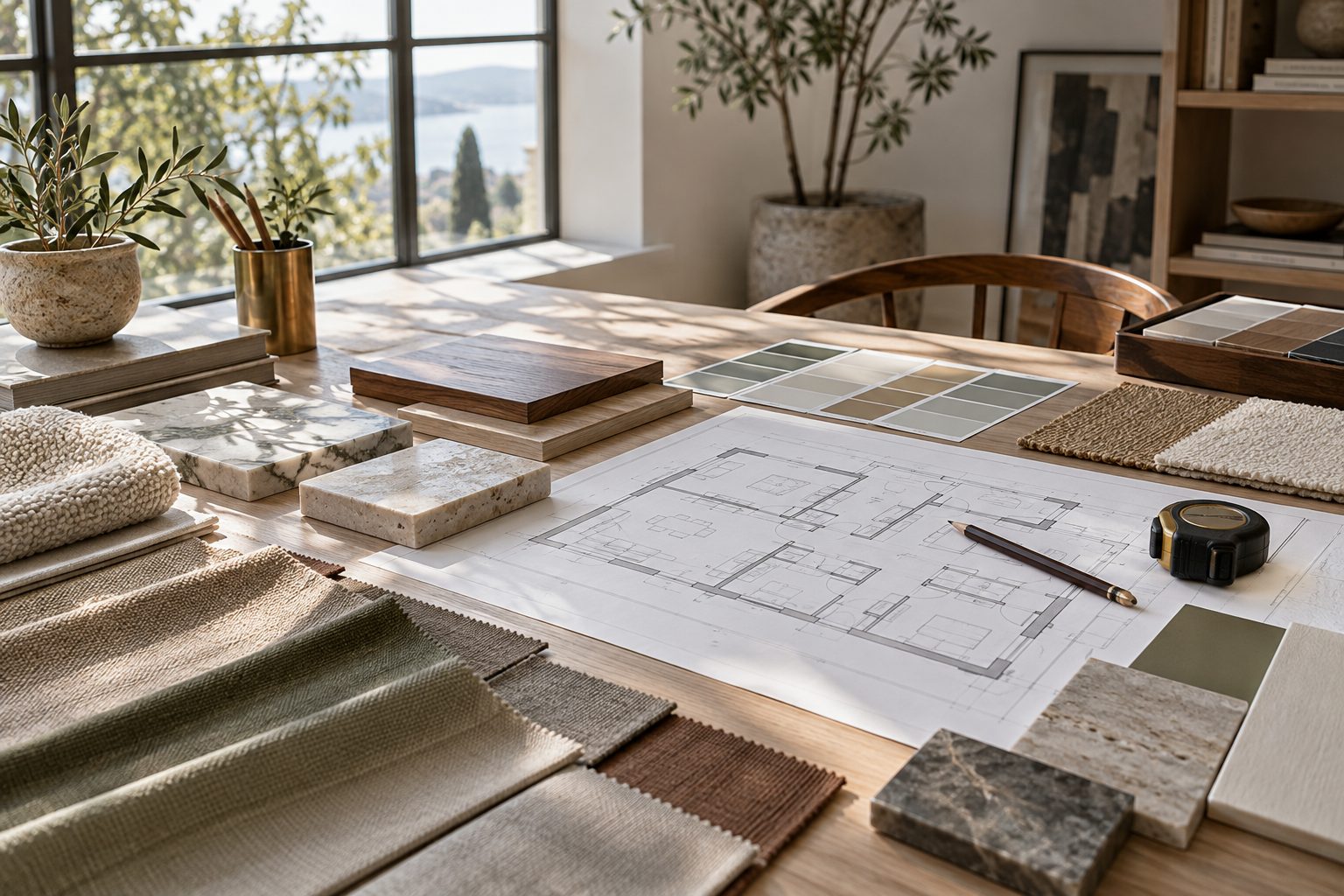
- Measurements and photos. A dimensioned sketch of every wall, ceiling height, window and door positions, outlet and radiator locations, plus photos from each corner and a short video walk-through.
- Consultation call. A 30–60 minute interior design consultation to agree direction and priorities.
- Concept boards. Usually two directions, each with a palette, key furniture and a rough layout.
- Revisions. One to three rounds are standard; more cost extra.
- Final design pack. Scaled floor plan, elevations if needed, lighting and paint schedule, and the product list with links or specs.
- Buying and install. You order and assemble; some studios add a follow-up call to help with styling.
The step that makes or breaks the result is the second one. A designer can only plan a 7 ft (213 cm) sofa onto a wall if the wall really is 9 ft 4 in (284 cm) wide with the radiator where the photo suggests. Measure to the nearest half inch (1 cm), and if you are unsure how to work out the floor area, use our square footage guide.
How much do virtual interior design services cost?
Virtual interior design services cost roughly $100–$1,500 per room in the US, with most homeowners paying $300–$800 for a complete living room or bedroom plan. Pricing is usually flat per room, sometimes hourly for consultations only.
| Service level | Typical US fee (2026) | What you get | Turnaround |
|---|---|---|---|
| Single consultation | $75–$250 per hour | Video call, verbal advice, short follow-up notes | Same week |
| Decorating package | $100–$500 per room | Mood board, product list, basic layout | 2–3 weeks |
| Full virtual design | $500–$1,500 per room | Scaled plan, 3D render, lighting and paint schedule, product list, 2–3 revisions | 3–6 weeks |
| Whole-home online package | $2,000–$6,000 | 4–8 rooms, consistent palette and flow, priority support | 6–12 weeks |
| In-person full service (for comparison) | $5,000–$30,000+ | Site visits, procurement, contractor coordination, install day | 3–12 months |
These are typical ranges, not quotes. Watch for two hidden costs: studios that earn commission on the products they list, which can push you toward pricier items, and revision fees of $50–$150 per extra round. Free interior design offers exist, usually from furniture sellers, but the plan is then built only from that seller's catalog.
What do you get from an online interior decorator?
An online interior decorator should hand you a plan precise enough to buy from without guessing: exact sizes, finishes, quantities and placement. Vague mood images alone are not a deliverable.
- Scaled floor plan: furniture drawn to size with clearances, for example 36 in (91 cm) main walkways and 16–18 in (41–46 cm) between sofa and coffee table.
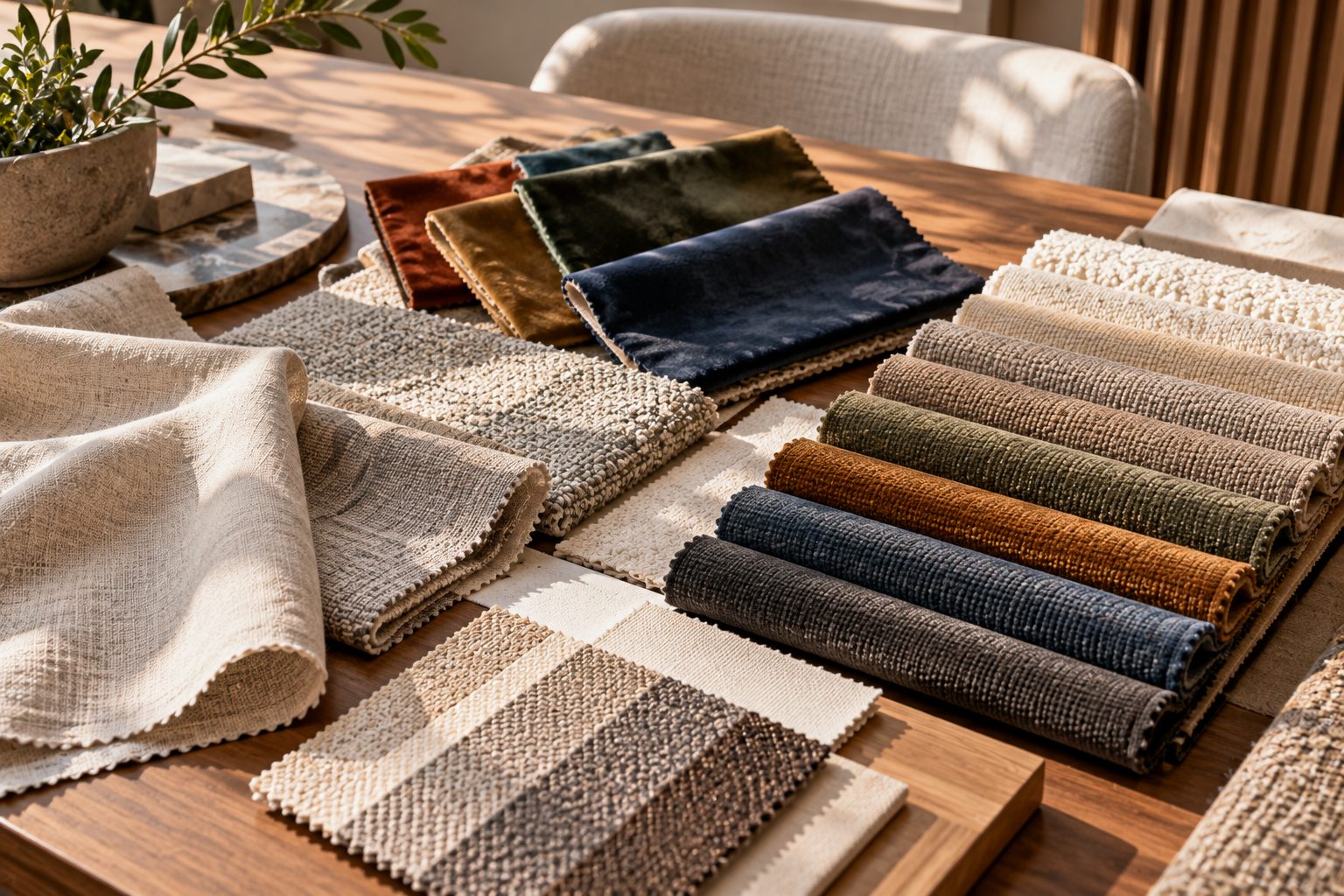
- Concept or mood board: palette with paint codes, fabrics, wood and metal finishes. See how to make a mood board for what a good one contains.
- Product list: each item with dimensions, finish, typical price and an alternate at a lower budget.
- Lighting plan: fixture positions, lumens per room and color temperature, usually 2700–3000 K for living spaces.
- Rug and window sizing: rug size relative to seating, curtain widths and drops.
- 3D render: optional at the lower tiers, useful when you struggle to read plans.
Is virtual interior design worth it?
Virtual interior design is worth it when the room needs furnishing and styling rather than construction, and when you are willing to measure carefully and do the buying yourself. For a $6,000–$15,000 living room furniture budget, a $500 plan that prevents one wrongly sized sofa or rug usually pays for itself.
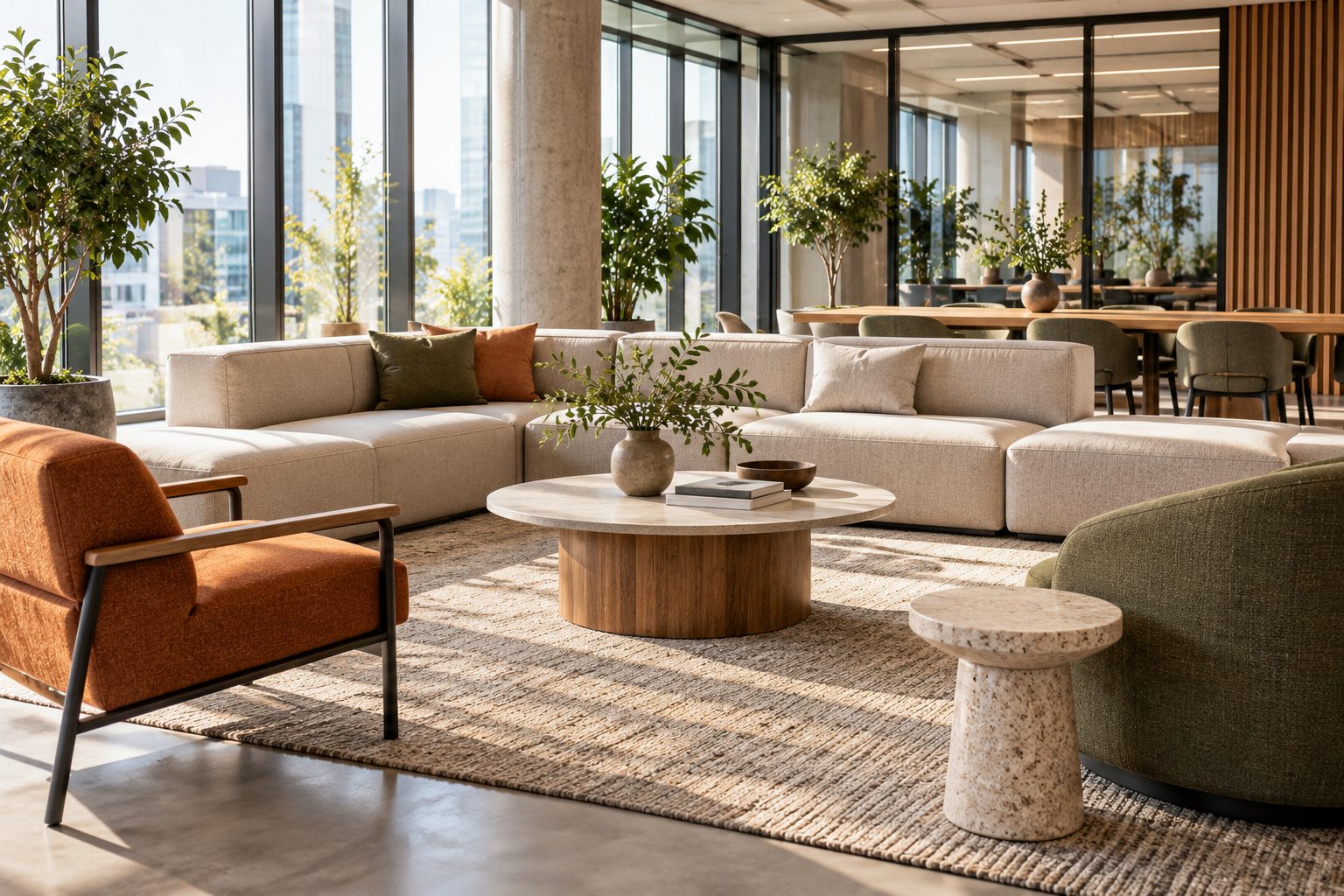
It is less useful in three situations: kitchens and bathrooms where cabinet runs, plumbing and tile need site checks; old houses where walls are out of square by an inch or more; and clients who want someone else to handle deliveries, returns and installers. For those, in-person or hybrid home design services make more sense. Corporate interior design services for offices are a separate discipline entirely, with space planning, code compliance and contract furniture, and rarely run fully remote.
How do you choose the best online interior design service?
The best online interior design service is the one whose portfolio already looks like the room you want, with clear pricing and a defined number of revisions. Rankings of the best online interior design platforms change every year; the checks below do not.
- Look at finished rooms, not renders. Ask for photos clients took of completed spaces.
- Confirm who designs. A named, qualified designer or decorator, not an anonymous queue.
- Check supplier independence. Can the list include any retailer, vintage pieces and items you own?
- Get the revision count in writing. Two rounds is a fair minimum.
- Ask about file formats. You want a scaled PDF plan and a spreadsheet product list you keep.
Mistakes we see with virtual interior design projects
The most common mistake we see is a beautiful plan built on bad measurements, followed closely by clients buying the cheapest substitute for every item until the scheme falls apart.
- Measuring the room but not the access. A 38 in (97 cm) deep sofa will not turn into a 30 in (76 cm) hallway; send door widths and stair turns.
- Skipping ceiling height. It decides pendant drops, curtain lengths and art sizes.
- Photos with the lights on at night. Shoot in daylight so the designer can judge natural light and color.
- Swapping the anchor pieces. Change accessories freely, but keep the sofa, rug and lighting close to spec.
- Buying in random order. Order rug and sofa first, then lighting, then art and accessories.
Our own view: virtual design is the best value tier of interior decorator services for one to three rooms. Pay for the full package with a scaled plan rather than the cheapest board-only tier, because the plan is where the money is saved. Use a rug size tool such as our rug size calculator to sanity-check the plan before you order.
Virtual vs in-person interior design: which should you pick?
Pick virtual interior design for decorating and furnishing on a defined budget, and in-person design when there is construction, a large budget or no time to manage orders yourself. Many studios now sell a hybrid: one site visit to measure and photograph, then the rest delivered online for roughly 20–40 percent more than the virtual fee.
A practical rule: if your total project spend is under about $25,000 and nothing structural changes, start with online design services. Above that, the procurement discounts, coordination and site supervision of a full-service designer usually justify the higher fee.
Want a remote plan for your own room? Our design services page explains our virtual packages, what to send us and typical turnaround, and you can book an interior design consultation there to start.
Free toolTile CalculatorWork out tiles, boxes, grout and adhesive with the right wastage.Shop & source the look
Buy it today — or have it made
Retail links are affiliate links: we may earn a commission at no extra cost to you (disclosure). “Get it made” sends the item to our sourcing desk for factory quotes in custom sizes and finishes.
Frequently asked questions
How much does virtual interior design cost?
Virtual interior design typically costs $100–$1,500 per room in the US in 2026. Decorating packages with a mood board and shopping list sit at $100–$500, while full design with a scaled floor plan, 3D render, lighting and paint schedule runs $500–$1,500. Hourly consultations usually cost $75–$250 per hour.
Is online interior design worth it?
Online interior design is worth it for furnishing and decorating one to three rooms when you can measure accurately and buy items yourself. A plan costing a few hundred dollars often prevents expensive mistakes such as an oversized sofa or undersized rug. It is less suited to kitchens, bathrooms and structural renovations.
What do I need to send a virtual interior designer?
Send a dimensioned sketch of each wall, ceiling height, positions of windows, doors, outlets and radiators, daylight photos from every corner and a short video walk-through. Add your budget, pieces you are keeping and examples of rooms you like. Accurate measurements are the single biggest factor in the quality of the final plan.
What is the difference between a virtual interior designer and a virtual interior decorator?
A virtual interior decorator mainly chooses furniture, color, textiles and accessories, while a virtual interior designer can also produce lighting plans, built-in joinery drawings and finish schedules. Neither works on site. For purely furnishing a room a decorator is enough; for built-ins or a lighting overhaul choose a designer.
How long does virtual interior design take?
Virtual interior design usually takes two to six weeks from intake to final plan. A decorating package can be ready in two to three weeks, while full design with several revision rounds takes three to six. Buying and delivery come after that, and upholstered or custom pieces commonly add 8–16 weeks.
Some links may be affiliate links. Regulations and specifications change — always confirm with suppliers and qualified professionals.